Photo: Overview of the Human Rights Council at the United Nations in Geneva, Switzerland.//Reuters
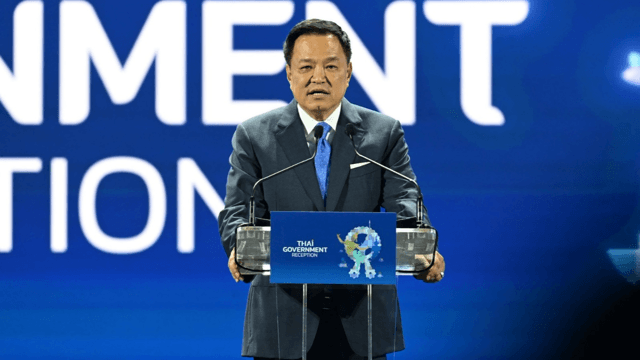
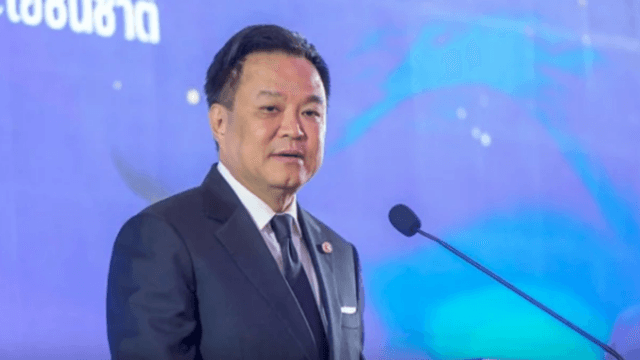
Thailand won its bid for the UN Human Rights Council with the highest number of votes—177—for a three-year term to promote and protect human rights worldwide.
The decision was announced by the UN after a secret ballot on Wednesday.
According to the tally, Cyprus and Qatar each received 167 votes, followed by South Korea with 161 votes and the Marshall Islands with 120 votes. Saudi Arabia failed in its bid, receiving only 117 votes, the fewest of the six contenders for five vacant seats.
The term, which will begin next year and end in 2027, is pivotal for Thailand to enhance its profile following the formation of a newly elected government, which has changed the dynamics of support among UN members.
Thailand has been campaigning on themes that promote dialogue among UNHRC members and improve their capacity to protect rights and freedoms.
The UNHRC is an intergovernmental body within the UN system responsible for strengthening the promotion and protection of human rights.
Established in 2006 by a UN General Assembly resolution, the HRC is made up of 47 UN member countries from five regional groups: Africa, Asia-Pacific, Latin America and the Caribbean, Western Europe and others, and Eastern Europe.
This meant that Saudi Arabia was thwarted in its bid to join the UN's Human Rights Council on Wednesday, after finishing sixth in a vote among UN members for one of five regional seats, which are charged with protecting freedoms globally, according to Agence France-Presse.
Ethiopia and Qatar were among the 18 countries elected to the United Nations Human Rights Council for three-year terms, despite previous allegations from campaign groups regarding rights violations in both countries.
"This vote to deny Saudi Arabia a seat on the UN Human Rights Council matters. For far too long, (Crown Prince) Mohammed bin Salman's regime has acted as if it has complete impunity to commit grave human rights abuses, safe in the knowledge that its international partners would look the other way," said campaign group Reprieve.
International Service for Human Rights program director Tess McEvoy said that "when given a real choice, states voted down the less deserving candidate, refusing to hand powerful actors who violate basic rights an enhanced ability to bend key human rights processes in their favor."
There were only five candidates for the five vacant seats for the African region meaning that Benin, Democratic Republic of Congo, Ethiopia, Gambia and Kenya will all take up positions on the council next year.