


Thailand is embracing artificial intelligence faster than ever, driven by a population eager for tech innovation—yet this enthusiasm is tempered by anxiety over its resource footprint. In a 2026 Ipsos survey, 77% of Thai respondents said AI-powered products and services excited them, while 61% said they made them nervous. Use is rising, too. Microsoft estimates that the share of Thailand’s working-age population actively using AI rose from 9.1% in the first half of 2025 to 12.4% in the first quarter of 2026.
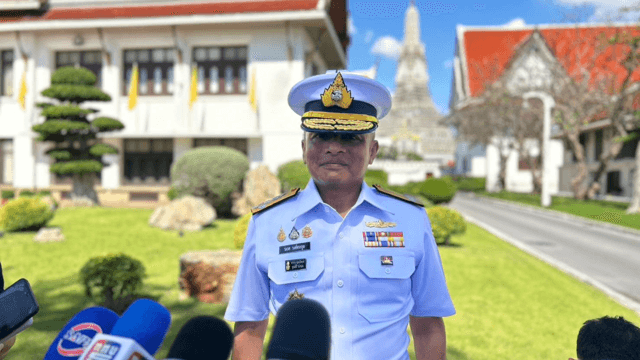
For Etienne Müller, an assistant professor at CMKL University, that enthusiasm gives Thailand an advantage as it seeks to attract AI investment. Speaking on the Talk Stage at Sustainability Expo 2026 (SX2026), he warned that keeping public support would depend in part on how the country meets the electricity and water demands of new data centres.
The risk of a ‘green squeeze’
As global technology companies look to Thailand for computing capacity, data centre investment is becoming a question of energy security. Müller cited a projection that the sector could consume about six terawatt-hours of electricity in Thailand by 2030, equivalent to about 2.5% of national electricity consumption. He said a rack of servers built for AI could draw up to 80 kilowatts, compared with four to five kilowatts for an older conventional rack.
Even as AI models become more efficient, overall power demand can keep rising, he said. A chatbot that searches the internet and works through several steps before answering can use more computing power than one that gives a simple response. Data centres also need cooling, and Müller said estimates of AI’s water footprint can vary widely depending on what they include.
He warned of what he called a “green squeeze”. A data centre may secure renewable electricity through a purchase agreement, but if clean power generation fails to keep pace with new demand, other users could end up relying more heavily on fossil fuels. Müller said Thailand should expand renewable generation, make sustainability part of the approval process and ensure that upgrades to the electricity grid serve households as well as data centres.

Where AI could help Thailand
The technology can also help manage some of the resources it consumes. Müller pointed to AI’s ability to help electricity operators forecast demand and balance the grid. In agriculture, it could help farmers use water more precisely and plan around weather forecasts. Analysis of satellite images could also help authorities detect deforestation sooner and track greenhouse gas emissions in greater detail.
Müller said Thailand’s skilled workforce, competitive costs and openness to AI could help it attract technology jobs as companies recruit across borders. He also called for more research into energy-efficient AI and the development of smaller Thai-language models. A model designed for a specific task, he said, can require less computing power than a large, general-purpose system.
For data centre operators, he called for verifiable clean energy procurement, more efficient hardware and software, and better management of water and electronic waste. He cited water recycling and the reuse of waste heat as ways to make better use of resources on site. Operators could also shift some computing tasks to times or places where renewable power is more readily available, easing pressure on parts of the grid at peak times.
Müller said Thailand had a chance to become an AI hub in Asia, but keeping the public on board would require the benefits of investment to reach beyond the technology sector. For policymakers, that means planning for the power needs of new data centres alongside those of the communities and businesses that share the grid.
“Enthusiasm is the hardest thing to build and the easiest thing to lose,” he said. As global tech giants eye the kingdom for their next wave of expansion, how Thailand balances its energy grid will ultimately determine whether that public goodwill endures.