


The National Disaster Warning Centre should undergo major reform to improve the efficiency of the disaster warning system to prevent and mitigate damage from flooding, according to Dr. Sitang Pilailar, a water resources engineering expert and lecturer in the Department of Water Resources Engineering, Faculty of Engineering, Kasetsart University.
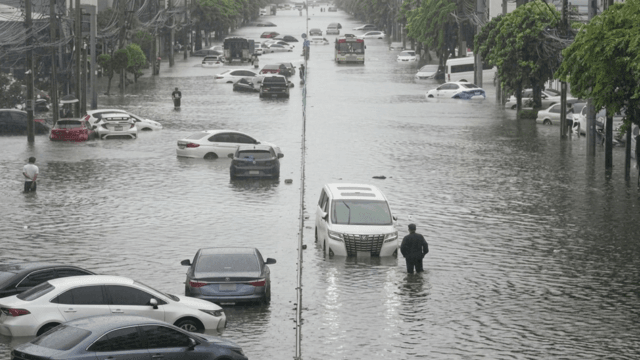
Dr. Sitang said this in response to the current flooding, which has hit Bangkok and 26 other provinces in the central, eastern and northeastern regions, causing widespread damage.
She said that the ongoing flooding is totally different from the great floods of 2011, when the damage was mainly to industrial estates caused by a large quantity of water flowing downstream via the Bhumibol Dam, inflicting enormous damage on the economy.
In Bangkok and surrounding provinces, the flooding is at a standstill. The water level in low-lying areas, such as Ramkhamhaeng, Min Buri, Lat Krabang and Khlong Chan, is still high and the is being drained out very slowly. The situation is expected to ease in two to three days.
People whose residences have been without electricity and water supplies should move to temporary evacuation centres quickly for their safety and wait for assistance, she said.
Dr. Sitang said the period between now and Thursday is a "golden time" for the Bangkok Metropolitan Administration to drain water from flooded roads and engorged canals into the sea. According to information from the Navy's Hydrographic Department, there will be high tides from October 1 to 3.
If the BMA is unable to drain the water in time, there would be a clash between a mass of water in the Chao Phraya River and the high tides and water levels in flooded areas would rise beyond expectation. Draining water from flooded areas would become even more difficult. The proper time for draining water into the sea is between 8am-6pm. Out-of-order water pumps should be repaired as a matter of urgency, she said.
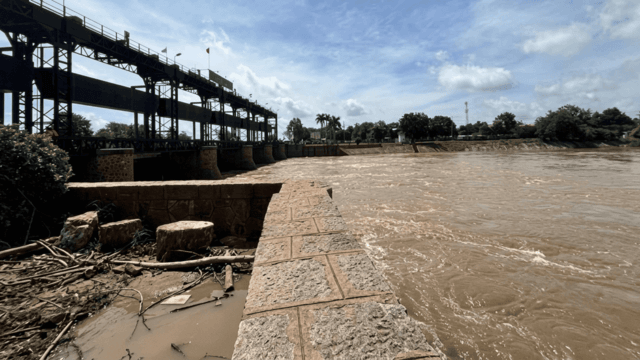
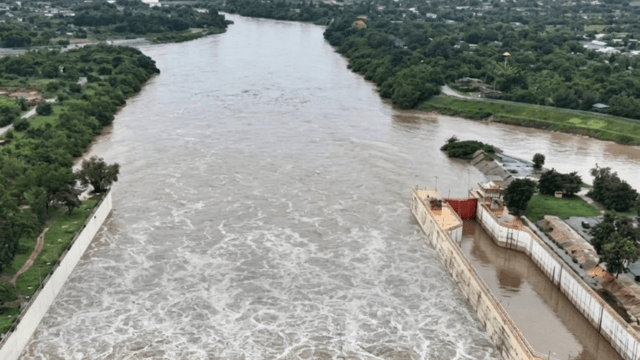
Areas in the Mae Klong river basin are also at risk of being flooded. As rain clouds are moving from Bangkok westward, especially towards Kanchanaburi province, more rain is expected over the reservoir behind the Vajiralongkorn Dam. More rainwater intake would force the dam to release more water into the Mae Klong River, which runs from Kanchanaburi's Thong Pha Phum district to Ban Pong, Photharam and Muang districts of Ratchaburi and into the sea in Samut Songkhram province. The dam may have to increase the release of water from 1,500m3/s to 1,800-2,000m3/s.
Dr. Sitang said people living along the Mae Klong River should move their belongings to higher ground to prevent damage from flooding.
According to Dr. Sitang, the rain clouds will eventually move northward, to Suphan Buri, Uthai Thani, Kamphaeng Phet, Tak, Mae Hong Son, Lamphun, Lampang and Chiang Mai, and will bring 80-90 millimetres of rain per day, adding more rainwater to reservoirs.
In Uthai Thani, the Rom Klao Reservoir, which is already full, will overflow if it receives more rainwater. The water will flow into the Sakae Krang stream and into the Chao Phraya River in Nakhon Sawan before proceeding to the Chao Phraya Dam in Chai Nat.
This would force the release of more water from Chao Phraya Dam, from the current 2,000m3/s to 2,300m3/s. People living in the Chao Phraya river basin are advised to move their belongings to higher ground. A special advisory should be issued to people living in areas without flood walls, in Bang Ban and Sena district of Ayutthaya, to be ready for evacuation.
The eastern region is facing a similar situation, as more rain is expected. The water levels along the Bang Pakong River in Nakhon Nayok and Chachoengsao are already high and the draining is very slow.
The reservoirs behind the Khun Dan Prakan Chon Dam in Nakhon Nayok and the Kaeng Krachan Dam in Phetchaburi are now at full capacity. More rain could force them to release more water.
Considering the greater flood risks ahead, Dr. Sitang said that the government should immediately put the National Disaster Warning Centre, which is now under the Disaster Protection and Mitigation Department of the Interior Ministry, under major reform.
After being moved from under the Prime Minister's Office, the National Disaster Warning Centre is now without water resources experts, leaving the national disaster warning system to become inefficient. It is unable to issue advisories for people to take precautions to prevent damage and loss of life effectively and in time.
Dr. Sitang suggests that the government recruit more water management experts and new advance warning technologies for the centre.