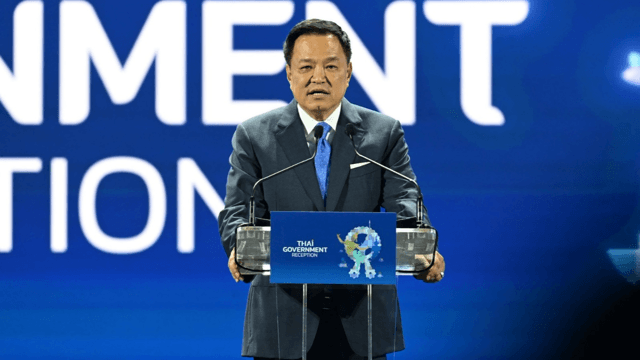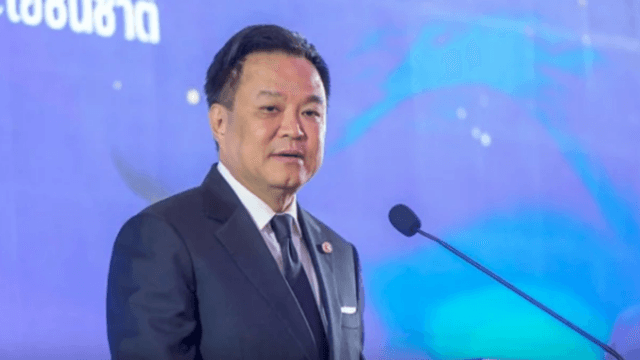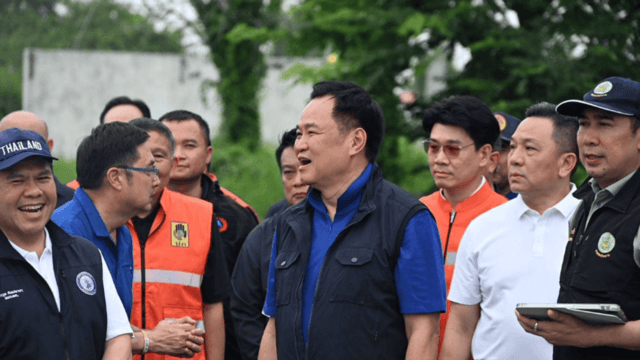



Prime Minister Anutin Charnvirakul has reiterated that he has the power to dissolve Parliament whenever he deems appropriate, even before the agreed deadline at the end of January.
“The power to dissolve Parliament rests with the prime minister. Do I need to tell the media when I plan to dissolve it? That is my authority,” he said.
Speculation has been circulating that the opposition may file a censure motion later this year. Given that Anutin’s government is a minority coalition, many believe it may not survive such a debate.
To avoid this risk, Anutin, who took the leadership in September, may opt to dissolve Parliament as early as December.
When asked what would happen to the constitutional amendment process, if parliament were dissolved earlier than planned, Anutin replied, “If that day comes, let the people decide.”
Asked whether the People party would object, he said, “Well, I’ve tried to honour the Memorandum of Agreement we signed, but if other factors arise, we must all work together.”
He noted that the constitutional amendment process has already passed its first reading and a committee has been established.
“So it’s not like we’re starting from step one. We’re already at step three or four. In due course, the process will lead to constitutional amendment,” he added.
Earlier, Anutin said parliament would be dissolved by the end of January 2026, paving the way for a general election around March or early April.
This timeline aligns with the political agreement made with the People party, when his government was formed in early September 2025, which stipulated that the House should be dissolved about four months after the government’s policy statement was delivered in parliament.