


When Thais head to the polls for the general election next year, they will not only elect members of parliament, but will also vote in two major referenda; one on whether to draft a new constitution, and another on whether to annul a controversial Memorandum of Understanding (MoU) with Cambodia.
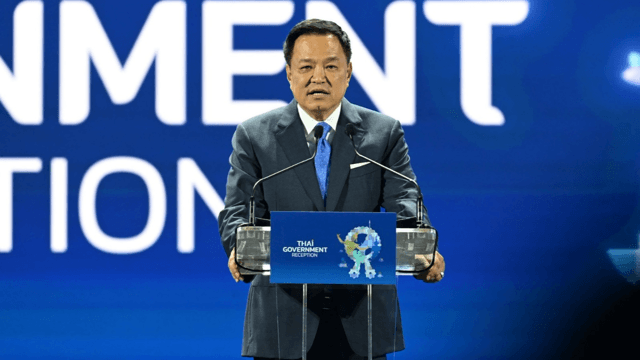
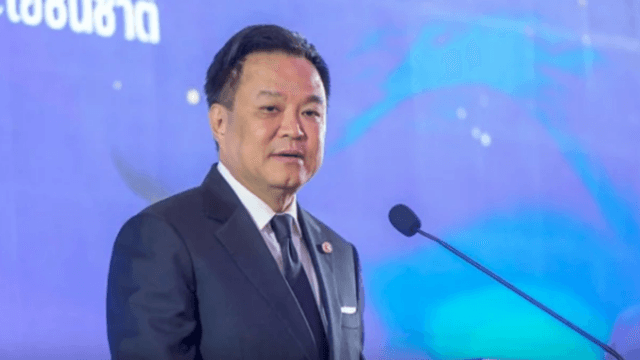
Deputy Prime Minister Borwornsak Uwanno announced that each voter will be given four ballots. Two will be for selecting party-list and constituency MPs and two others for the referenda on the constitution and the MoUs.
Borwornsak, an appointed outsider in the current government, was speaking in parliament during Prime Minister Anutin Charnvirakul’s policy address.
He emphasised that the government's official position is to promote public participation in the constitutional amendment process.
The Anutin administration has approximately four months remaining in office, following an agreement with the opposition People’s party.
In exchange for the party’s support for Anutin’s nomination as Prime Minister, the government agreed to organise a referendum or referenda on constitutional reform, to establish an elected Constitution Drafting Assembly (CDA).
The plebiscite(s) must be held no later than the next general election.
Anutin has announced that, to fulfill these conditions, he plans to dissolve parliament by the end of January next year, with the general election to be held around April.
According to a ruling by the Constitutional Court, three referenda are required to initiate the drafting and approval of a new constitution and that the first and second referendums may be combined into one.
Borwornsak said that concerning the charter amendment, in the first referendum, people will be asked whether the public agrees to the drafting of a new constitution and supports the procedure proposed by Parliament.
Meanwhile, Anutin’s policy statement confirmed that the government also plans to hold a referendum on whether to annul controversial Thai-Cambodian MoUs. These agreements have sparked national debate, due to their potential impact on territorial rights and energy interests.
Borwornsak stressed that such decisions should not be made unilaterally by the current caretaker government, given the MoUs' national significance.
“These decisions are too important to be made by any single administration. That’s why we’re asking for public consent,” he said.
He added that each referendum is expected to cost the taxpayer up to 6 billion baht.