


Thailand’s role in ASEAN is now back in focus. After years of quiet diplomacy and domestic distractions, the country has reemerged as an active and constructive member of the regional family.
The 47th ASEAN Summit in Kuala Lumpur showed that Thailand is once again shouldering the responsibility of promoting peace, cooperation and sustainable development.
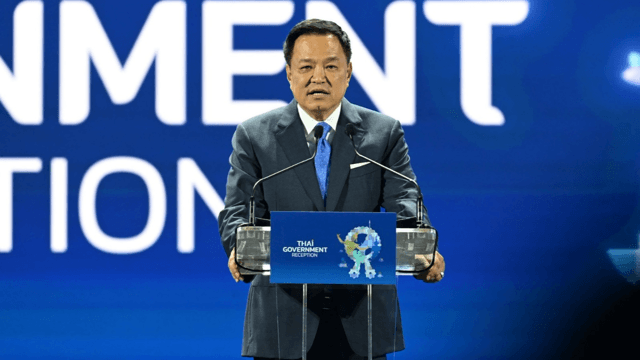
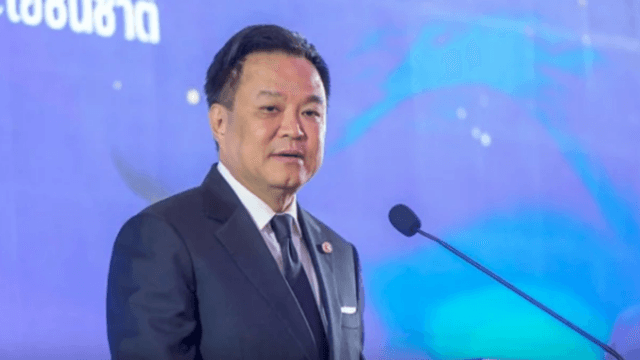
Prime Minister Anutin Charnvirakul and Foreign Minister Sihasak Phuangketkeow attended the summit with a clear goal of rebuilding trust and strengthening partnerships. Both leaders sought to demonstrate that Thailand stands firm on ASEAN unity and centrality.
One of the most significant moments came when Thailand and Cambodia signed a joint declaration. The signing, witnessed by ASEAN Chair Anwar Ibrahim and US President Donald Trump — who made a special 24-hour stopover — symbolized a new chapter for both neighbors.
The declaration outlines measures to ease border tensions, including the removal of heavy weapons, joint demining operations and the creation of cross-border anti-scam centers.
Throughout the meetings, Thailand emphasized that diplomacy and dialogue remain the most effective means to resolve long-standing disputes. Anutin consistently reaffirmed this in all his interventions, both in plenary sessions and bilateral meetings.
In a separate press briefing, Sihasak, reflecting on the summit, said the event marked “a turning point” for Thailand and Cambodia after years of strained relations. He described the joint declaration as “the beginning of a new era of peace and reconciliation,” noting that every ASEAN member expressed support and appreciation for the two countries’ efforts.
Sihasak added that the summit’s mood was shaped by compassion and optimism — compassion for Thailand’s national loss, and optimism for ASEAN’s renewed unity. “We still have to implement what we signed,” he said, “but we are determined to move forward toward peace and the restoration of trust.”
Beyond regional peace, both Anutin and Sihasak highlighted Thailand’s push to combat transnational crime, especially online scams, human trafficking and cybercrime.
Anutin announced Thailand’s proposal to host an international conference to address these problems, which quickly received support from South Korea and the U.S.
Thailand also promoted sustainable development as a core ASEAN goal. As ASEAN’s coordinator for sustainable development, Bangkok urged stronger cooperation on clean energy, food security and digital economy integration under the ASEAN Digital Economy Framework Agreement (DEFA), for which Thailand chairs the working group.
The country’s “Clean Air for a Sustainable ASEAN” initiative also gained traction, focusing on haze reduction, data sharing and community engagement.
On Myanmar, Thailand maintained a balanced and pragmatic approach. It reaffirmed ASEAN’s Five-Point Consensus and called for humanitarian access and inclusive dialogue ahead of Myanmar’s planned election at the end of December. Thailand emphasized that engagement, not isolation, remains the best way forward.
Economically, Thailand reaffirmed its commitment to open trade and regional supply chain integration under the RCEP framework. It also positioned itself as a bridge-builder amid growing US-China competition, promoting small and medium-sized enterprises as drivers of regional resilience.
During the summit, Thailand held a series of bilateral meetings with the United Nations, Vietnam, the Philippines and the International Monetary Fund on sustainable finance, renewable energy and digital innovation. Anutin also held his first bilateral discussion with Cambodian Prime Minister Hun Manet, marking a new beginning in bilateral relations.
Sihasak also assured critics that the Thailand-US rare earth memorandum of understanding is nonbinding. He said Thailand will carefully study its rare earth resources with expert input. Furthermore, he stressed that any cooperation will fully consider environmental impacts and national interests.
In Kuala Lumpur, Thailand proved once again that it can play a proactive, stabilizing role in ASEAN. With peace efforts in Cambodia, a push for green and digital cooperation, and cautious engagement in new economic ventures, the Anutin government signaled that Thailand is firmly back on the diplomatic radar.