


The Creative Economy Agency (CEA) is launching a major Creative City Branding Plan in fiscal 2026, which runs from this October, to elevate Thailand's creative cities on the global stage.
This flagship project aims to help cities, including those already recognized by UNESCO, build compelling and enduring identities to attract investment and tourism.
As the global economy increasingly values creativity and culture, cities worldwide are leveraging their unique identities to generate new opportunities.
Thailand is a prime example, with seven of its cities already part of the UNESCO Creative Cities Network (UCCN) for their strengths in gastronomy, crafts, and folk arts.
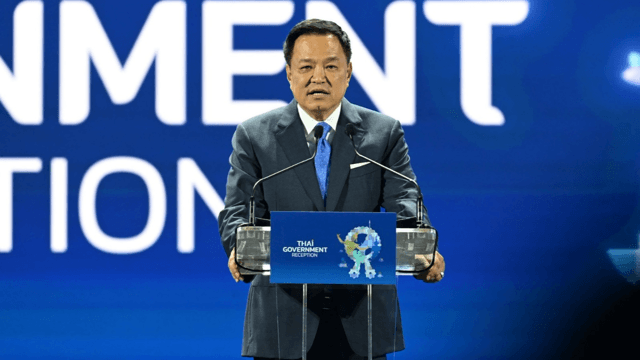
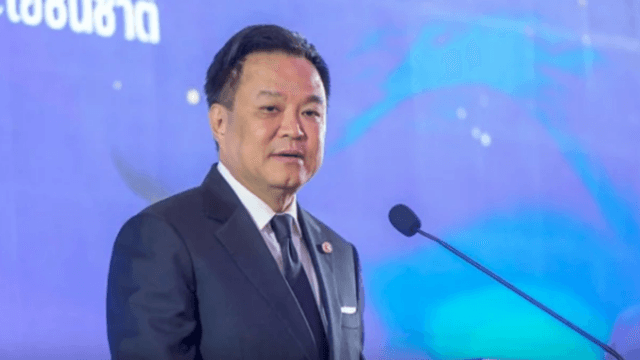
CEA Executive Director Chakrit Pichyangkul sees branding as the crucial next step. “Each city may have several strengths, but it must decide on one defining story with which to lead,” Chakrit explained. “Creative city branding will serve as the key message that announces to the world what the city truly stands for."

CEA Executive Director Chakrit Pichyangkul //Photo Courtesy of CEA
A collaborative, bottom-up approach
The branding plan will not be a top-down mandate. Instead, interested cities, particularly those already in the UCCN, will be invited to submit proposals.
Selected cities will then work with local stakeholders—including provincial authorities, creators, business owners, and the Young Entrepreneurs Chamber of Commerce (YEC)—to co-create their brand identity.
CEA will facilitate this process by providing Creative Toolkits, initial funding, and expert guidance. The goal is for stakeholders to reach a consensus on their city’s defining story before developing a detailed action plan.
For example, Phetchaburi, a UCCN City of Gastronomy, could highlight its culinary heritage, while Chiang Mai and Sukhothai, recognized for crafts and folk arts, might focus on their artistic traditions.

CEA Executive Director Chakrit Pichyangkul //Photo Courtesy of CEA
Emerging creative hubs like Si Sa Ket also show promise. A new Thailand Creative & Design Center (TCDC) is set to open there to support growth in the film and music industries, further positioning the city as a potential “entertainment city.”
Promoting Thai Culture Internationally
Beyond city branding, CEA is expanding its international presence as part of its Strategic Plan 2026.
The agency is exploring new frontiers, such as using Thai literature as a form of cultural diplomacy. By supporting Thai authors to showcase their work at international book fairs, CEA aims to empower them to carry the messages of Thai culture to a global audience.
The agency hopes to see more Thai works translated and reaching international readers.
For the first time, CEA and the Office of the Public Sector Development Commission will set Key Performance Indicators (KPIs) to measure how successfully the agency helps Thai creators win international awards.
CEA will prepare creators from 12 creative industries to enter competitions like the Cannes Lions International Festival of Creativity.
Domestically, CEA will partner with the Bangkok Art Directors’ Association (B.A.D.) to host the third B.A.D. Young Lions Competition Thailand in November. Winners aged 18–31 will represent Thailand in the global Young Lions Competition.
Economic Impact of Creativity


Khao Chae, one of Phetchaburi’s culinary gems.//Photo by Warunee Maneekum
Ultimately, the branding initiative is part of a broader strategy to demonstrate how creativity can generate real economic value.
Through festivals, networks, and capacity-building programs, CEA integrates cultural assets with innovation to empower local communities.
In 2025 alone, creative festivals are expected to generate more than 4.3 billion baht nationwide, with creative city development projected to expand to at least 17 provinces.
The Creative City Branding initiative is a long-term strategy to position Thailand’s cities, culture, and creativity on the global stage, solidifying its role as a creative economic power.
B3: The hit TV series Tai Ban.
B4 or B5 :