The United States has sought to clarify that the recently signed Memorandum of Understanding (MoU) with Thailand, on critical and rare earth minerals, is intended to strengthen bilateral cooperation on supply chain resilience, rather than create a binding legal framework.
According to the US Embassy in Bangkok, the MoU aims to boost collaboration on critical minerals supply chains, encourage investment in Thailand’s value-added and processing industries and enhance the security of rare earth resources for both nations.
“It does not carry any legal obligations under international or domestic law and does not affect either country’s sovereign control over natural resources or existing agreements,” the embassy said on its Facebook page, in a post titled “Decoding the Critical Minerals MOU: Why US-Thailand Cooperation on Critical Minerals Matters.”
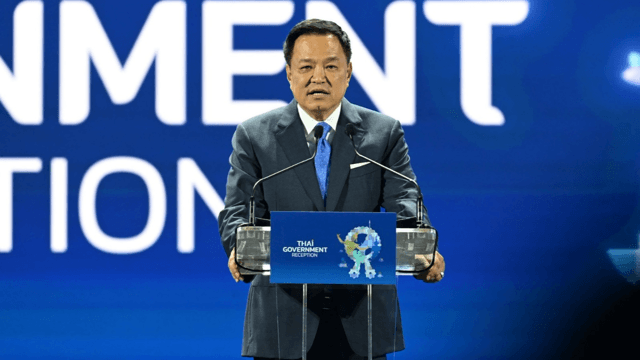
The MoU was signed by Thai Prime Minister Anutin Charnvirakul and US President Donald Trump in Kuala Lumpur on the sidelines of the ASEAN Summit.
The signing came as a big surprise in Thailand, as the government had not informed the public about it before the signing. Many sectors, including opposition parties, criticised the MoU over environmental concerns and accused the Anutin government of bowing to US pressure.
The US emphasised that the MoU builds on long-standing cooperation between the two allies, expanding opportunities for technical knowledge sharing, resource analysis and the adoption of international best practices to strengthen Thailand’s competitiveness in the critical minerals sector.
Under the agreement, both countries will exchange information on critical minerals projects, explore commercial opportunities and seek new areas of collaboration.
The initiative also supports efforts to develop secure, responsible and diversified supply chains essential to emerging technologies and clean energy industries.
The embassy reiterated that both leaders noted the partnership would promote joint ventures between American and Thai companies, strengthen global supply chain resilience and help counter unfair trade practices, such as dumping, heavy subsidies and low production standards.
The signing underscores the growing strategic importance of rare earth elements and critical minerals, which are essential in the manufacture of electric vehicles, renewable energy systems and advanced electronics.