Despite the recovery of Thailand’s economy since Q3 last year, foreign investors are urging clearer policies on digitalisation and climate change, according to Vibeke Lyssand Leivarg, chairwoman of the Joint Foreign Chambers of Commerce, or JFCCT, in response to the government’s sluggish movement towards innovative and digital transformation.
With the country’s strategic location in the region, the chairwoman noted that Thailand continues to attract substantial amounts of foreign direct investment, adding that the economy will grow further, driven by stronger collaboration with nations and trade blocs in the coming year.
“With positive developments in free trade agreements, Thailand will forge closer ties with other countries. For example, the Sri Lanka-Thai free trade agreement comes into force this month. The FTA with the European Free Trade Association will be signed in Davos next week, as Thailand will become an important partner with Iceland, Liechtenstein, Norway and Switzerland,” Vibeke noted.
Thailand’s minister of commerce, Pichai Naripthaphan, claimed during a press conference that the FTA with the four European countries will boost the country’s GDP by more than 3%, thanks to the growth of foreign investment and exports.
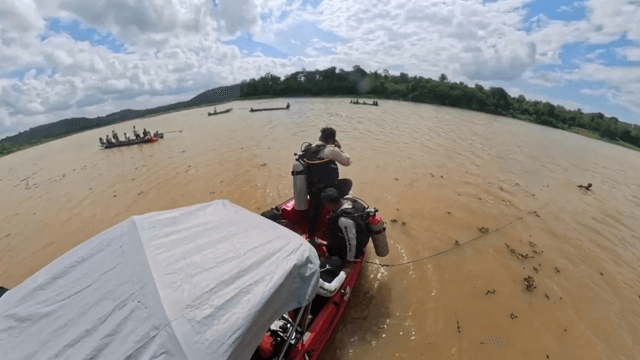
Given the optimism over economic growth, Vibeke emphasised that the government needs to implement robust policies to address climate change, as northern and southern provinces were severely impacted by flooding last year.
She also warned that foreign investors might consider investing in neighbouring countries, if authorities are hesitant about coming up with clear policies.
“Every investor is concerned over climate policy. We do wish to see a clear policy, to mitigate climate-related crises. There’s a draft of the Climate Act (but) what the JFCCT expects is for the draft to be aligned with regional standards,” the chairwoman emphasised.
According to the Joint Standing Committee on Commerce, Industry and Banking, floods have caused economic losses amounting to about 85 billion baht since September 2024.
Collaborating with 26 private sector organisations, the JFCCT aims to share the successful know-how and practices from countries with the Thai government, private sector and communities.
The chairwoman noted that addressing climate change is an imperative, which every sector must work together to mitigate, while underscoring that the JFCCT is prepared to cooperate across sectors.
Another indispensable measure to strengthen the country’s competitiveness is swift digitalisation, according to the chairwoman, adding that “Thailand still operates in a complex manner and foreign investors require regulatory reforms.”
Investors naturally prefer to put their money into countries where authorities provide a certain ease of doing business and streamlined regulations, so Vibeke underscored the importance of a single sign-on system, which could enhance GDP by up to 30%.
While the government needs to expedite digitalisation and the development of climate resilience, the chairwoman also called for education reforms and targeted policies for SMEs to support long-term growth.
“Reskilling and upskilling the existing workforce are essential in adapting to emerging industries. The government has to reform education for future jobs.
SMEs, the backbone of the economy, need to be integrated into supply chains with improved access to finance and support for adopting Environmental, Social and Governance practices,” Vibeke added.
By Franc Han Shih, Thai PBS World
Full interview: