


For many of us, traditional songs are part of our heritage, music and lyrics we relate to, both as individuals and as a community.
What makes certain songs truly special is the deep connection that they invoke while leading us back towards past traditions as diverse and colorful as our personal journeys.
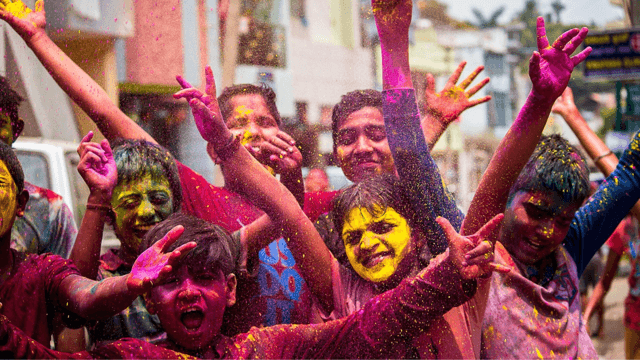
Traditional songs in Southeast Asia once echoed through royal halls and ancient courts, and were also sung during different festivals, ceremonies, rituals, and other social occasions.
The complex rhythms, distinctive melodies, and intricate harmonies have a unique character that makes these songs a part of our identity.
“Traditional music is very much a part of every celebration in Southeast Asia. It is woven into the very fabric of our lives, history, and culture. Traditional music is a vibrant expression of our heritage, reflecting the diversity and richness of the region,” Jasmine Belmonte, a retired music teacher, tells Thai PBS World.
As expected, traditional songs and music across the region have similarities, illustrating shared cultural heritage and mutual influences.
According to Jasmine, “Southeast Asian music tends to feature similar instruments. Most of the rhythmic patterns and structures are also similar, using complex time signatures and repetitive cycles.”
“These often play a role in communal and ceremonial events, such as festivals, rituals, and other social gatherings, proving that traditional music is indeed embedded in the cultural and social life of people in the communities,” she explains.
Time-honored traditions
Like many Southeast Asian traditions, traditional music is passed down orally through generations.
“With emphasis on storytelling and preserving history, traditional music and dances are closely intertwined, with specific rhythms and melodies designed to accompany choreographed movements.”
The influences of religion and mythology are very strong, often carrying themes related to spiritual practices, local legends, and moral teachings,” Jasmine says.

“While honored by traditions and heritage, some songs from our past – just like time – have never stood still,” says Nina, a student of classical music.
“These songs evolve through the ages and over time. New influences create vibrant and evolving musical forms and structures.”
“However, it is good that, sometimes, despite these new influences, the essence of traditional musical rhythms, forms, and structures remain, serving as a foundation upon which new song genres are created and developed,” she adds.
Songs of the people
In Thailand, two notable forms of traditional music are luk thung and mor lam.
Luk thung, or Thai country music, developed in the mid-20th century, reflecting the daily trials and tribulations of rural Thais.
Mor lam, on the other hand, is the dominant folk music of Thailand’s northeastern region, or Isaan, based on centuries-old folk music with religious themes.
According to Nina, “the term luk thung is translated as “child of the field” and known as peasant music that’s especially popular among rural folks. The early versions of luk thung traditionally celebrated romantic love in a rural setting. It also talked about the lives of ordinary people in rural areas, their hardships, and struggles.
“Mor lam is also about the life of rural folk but characterized by faster, rhythmic vocals and percussion,” Nina continues.
With the global dominance of western music, the popularity of both luk thung and mor lam has decreased over time.
“But it is not gone for good,” says Lek, a taxi driver in Bangkok who still plays these songs while driving.
Daisy, a singer on the club circuit, agrees. “In recent years, luk thung and mor lam have adapted to the times via modernized versions while keeping their traditional roots intact,” she said.

Sentimental expressions
But while Thailand’s luk thung and mor lam still continue to make their presence felt even during modern times, it is not the case in the Philippines where kundiman songs are now rarely sung, played, or heard in mainstream media.
Kundiman refers to a genre of traditional Filipino love songs characterized by smooth, flowing melodies and sentimental themes. Originating during the Spanish
colonial period, these songs were expressions of Filipino romanticism and cultural identity.
“They started as love songs during the late 19th century, incorporating the rich traditions of poetry and oral literature. The love subject matter was later infused with patriotism and nationalism, especially during the Spanish colonial period.”
“While kundiman is considered less mainstream today, it still remains significant and is performed at formal and cultural events,” Jasmine explains.

Heart of culture
Folk songs and traditional music are considered the heart of one’s culture and heritage.
“Traditional songs should always be revered, as these continue to serve as a testament to the rich heritage and colorful history of a nation and the diverse traditions that have helped shape our societies.”
“Today’s vibrant and evolving musical environment should always stay true to its roots while embracing modern trends, with tradition serving as a foundation upon which new music genres are built despite new influences,” she adds.
(This story is part of a series about the vanishing cultural traditions in Southeast Asia.)