
In the not-too-distant past, people loved nothing more than chilling out in parks on a hot summer’s day or strolling along the city’s promenades, taking in the views of unique architecture or simply luxuriating in serene surroundings. Today, however, many of these destinations can no longer be visited, if indeed they exist at all. Some have been closed to preserve wildlife in the area, others have fallen victim to natural disasters, and yet others have simply lost their appeal over time and...
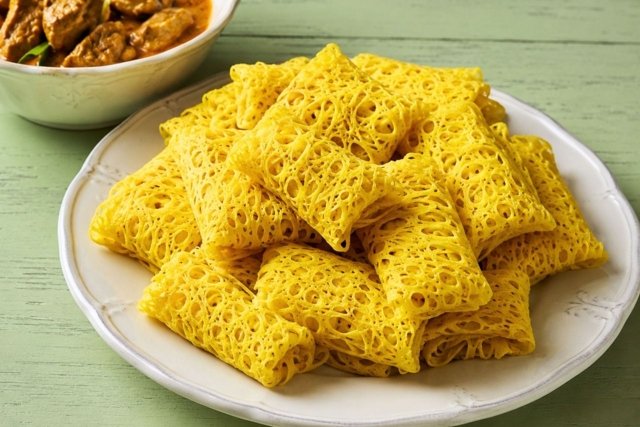
Across Southeast Asia, traditional snacks and treats are more than just something to satisfy the palate. A single bite takes us back to days filled with childhood memories and enjoyment. Coming in many forms and tastes, these little treats, at some point in time, have become part of daily life for many people across the region. Sad to say, some have now either disappeared or become hard to find.

Most young people today probably don’t know what a manual typewriter is. This once experimental device, invented in the late 19th century, became a ubiquitous office tool that revolutionized communication and changed the landscape of office work.
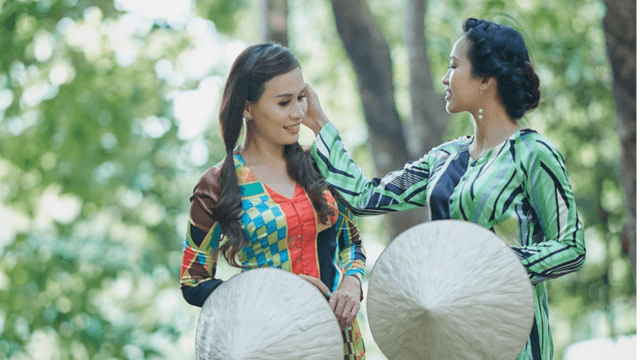
Often referred to as a woman’s crowning glory, hair has long received significant attention in most cultures, with hair care rituals and traditions constantly evolving and adapting to suit modern times. In Southeast Asia, hair care traditions may have waned in popularity due to the abundance of modern products, but many women still practice some of the most time-tested practices.
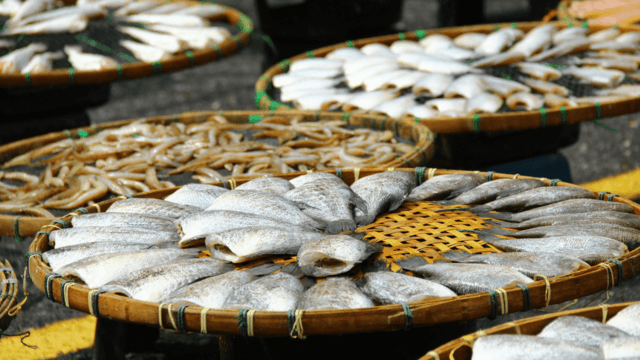
A century and more ago, long before electric refrigeration came into being, our ancestors turned to tradition to preserve and keep food fresh. For example, after the harvest season, our Southeast Asian forefathers adopted traditional food preservation techniques such as drying, salting, smoking, and fermentation to keep fruits and vegetables from rotting.
As the US and Israel’s war on Iran continues, critical passageways between the Persian Gulf and the Gulf of Oman are blocked, leaving countries around the world on edge as critical fuel supplies diminish and once again expose the fragile fossil fuel routes. In Asia, where most of the oil was headed, many countries have been hit hard. Oil is used in many industries beyond generating electricity, such as in fertilizer and plastics production, and many countries are now feeling the impact.
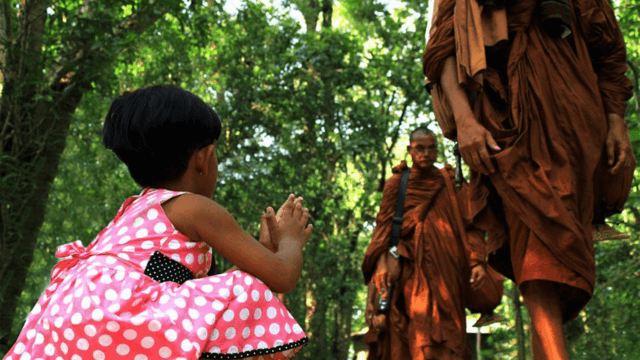
Oral traditions play an important role in sharing stories, myths, and legends through the generations. Poetry, especially, has long been a cornerstone of Southeast Asian folklore, serving as a means of preserving cultural traditions and passing them down to future generations.
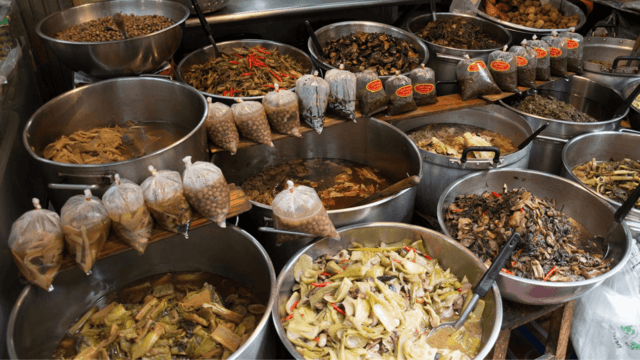
Southeast Asia is often considered the center of exciting culinary experiences. The region’s rich legacy of cooking traditions and food preparation techniques is a treasure trove that is always worth discovering.

Early forms of leadership were believed to be based on one’s utility, worth, and value to the group to be served.
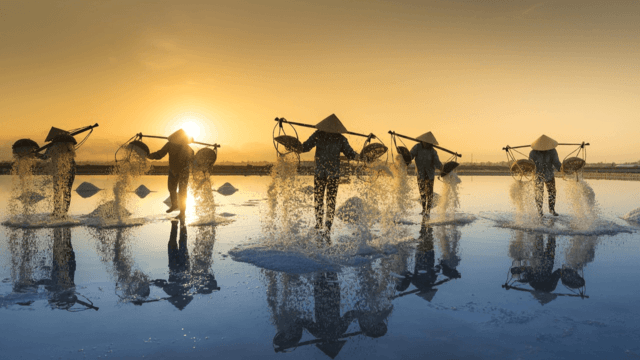
The declining number of traditional salt-making activities in the region can be blamed on several factors, chief of which is the decreasing number of farmers who are interested in continuing the industry.

Shaped by centuries-old traditions, ceremonies involving the death of a loved one in Southeast Asia are rich in cultural and spiritual symbolism.
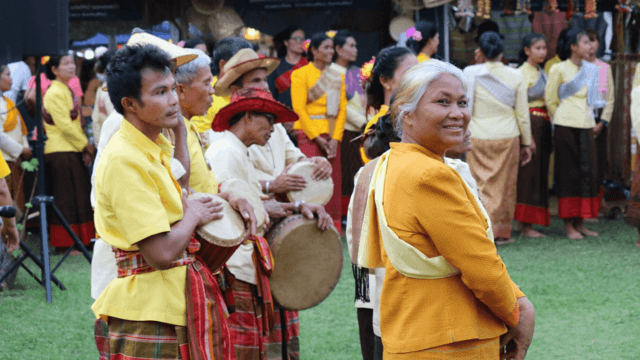
The musical traditions of Southeast Asia have long captivated the world with their intricate melodies, fascinating stories, and deep cultural significance.