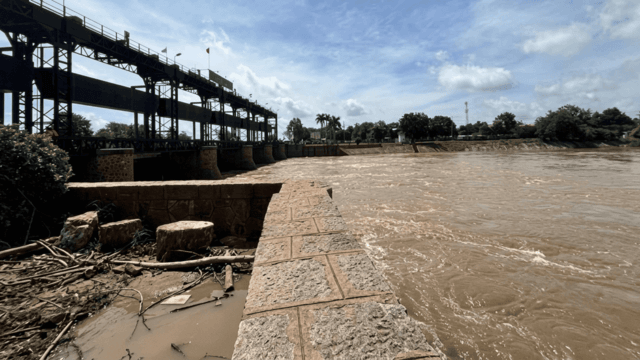
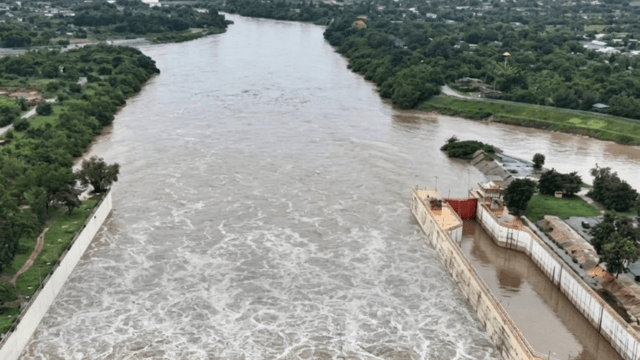
The Royal Irrigation Department (RID) has offered an assurance that it has been managing the flow of water through the Chao Phraya and Pasak Jolasid dams so that the volume will not affect the floodwall in Bangkok, while it has accelerated the draining of water from the canal system and has prepared water retention areas to absorb a new round of rainfall.
The department has, however, advised people in the capital and its peripherals to be aware of heavy rain and accumulated rainfall.
The level of water at the C2 station in Muang district of Nakhon Sawan has reduced after the department discharged 2,500 m3/s of water through the Chao Phraya Dam. The department is also monitoring the flow of water from tributaries into the Chao Phraya River and managing the outflow in accordance with the situation.
As for the Pasak Jolasid Reservoir, the amount of stored water is high and the department is discharging it on a step-by-step basis based on the water situation in the Pasak and Chao Phraya rivers.
The water being discharged through the Chao Phraya and Pasak Jolasid dams will merge before flowing through the C29B station in Sam Khok district of Pathum Thani, where flow is measured before the water passes through Bangkok. The flow was measured today at 2,383 m3/s, which the floodwall can handle if the flow does not exceed 3,600 m3/s.
For Bangkok and its peripherals, the RID is cooperating with the BMA and relevant agencies in the management of the water flowing through the canal and drainage systems and pumping stations that are close to the Chao Phraya River and coastal canals.
The department said the major problems are heavy and accumulated rainfall, rather than the rate of water discharged through the Chao Phraya Dam, and the weather forecast is for more rain on Monday through Wednesday. After that rain will subside for two days before more rain and isolated heavy showers return on October 11 through 14.