


Former prime ministers Chuan Leekpai and Abhisit Vejjajiva oppose a proposal to bring the earmarked “sin tax” revenue allocated to ThaiHealth and Thai PBS into the annual government budget, warning that the move could undermine both organisations’ independence and continuity.
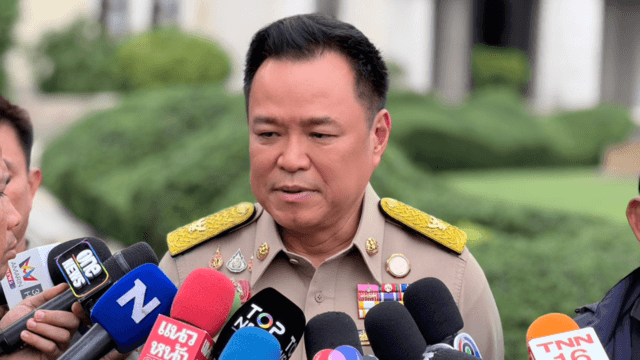
Chuan, a Democrat Party list MP and former party leader, said yesterday that he opposed the Bhumjaithai Party’s proposal to amend the law governing ThaiHealth. He said the dedicated funding model was crucial to addressing long-term public health problems. Making the foundation’s budget dependent on government funding could disrupt its work, as the government’s priorities may differ from those of the foundation.

Chuan said projects had previously lost momentum following changes of government, as incoming administrations did not want them to be seen as achievements of their political opponents. Examples included double-track railway projects and the elderly living allowance scheme.
However, Chuan said ThaiHealth, which receives 2% of designated sin tax revenue and currently obtains more than 4 billion baht a year, should face greater public scrutiny.
He called on the foundation to welcome criticism and make tangible improvements to its performance, while focusing on clearly defined public health challenges, such as diabetes.
The government and ThaiHealth should listen to each other’s arguments and put the public interest first, Chuan said. He warned, however, that the government should not interfere with the foundation or cut its funding in ways that threaten its stability and continuity.
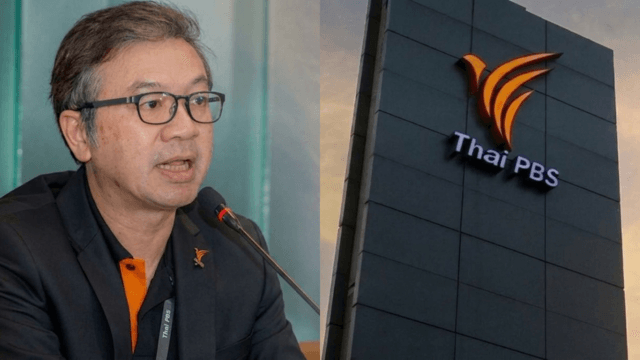
Abhisit, a Democrat Party list MP and the party’s current leader, also opposed the proposal to return the earmarked sin tax revenue allocated to ThaiHealth and Thai PBS to the central budget.
He said both organisations had been established to operate independently, with guaranteed revenue streams that allow them to fulfil their mandates and provide meaningful opportunities for public participation.
If ThaiHealth is considered to be receiving excessive funding, Abhisit said the government should lower its budget ceiling, strengthen oversight or review its reserves rather than transfer its revenue to the annual budget and disrupt its work.
He also urged ThaiHealth to improve transparency by disclosing more information about how it allocates grants to other organisations, saying greater openness was necessary to maintain public confidence.
Tying the organisations’ funding to the government’s annual budget could also undermine their credibility and reduce public participation, Abhisit warned.
Advocacy campaigns conducted through the state bureaucracy could be perceived as implementing policies dictated by those in power rather than initiatives developed in partnership with civil society.