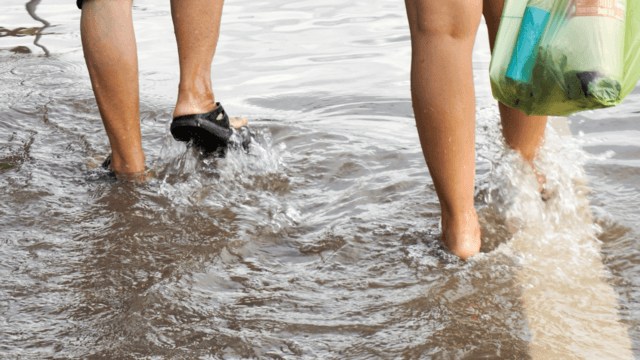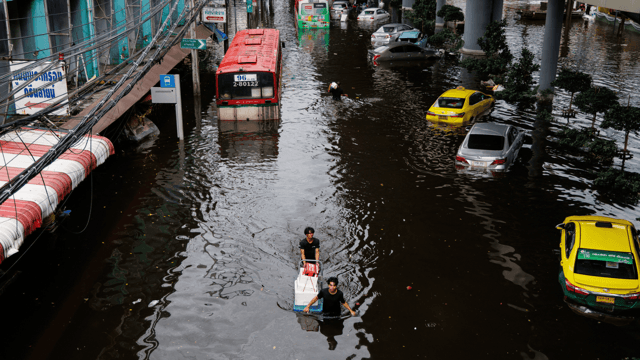



The Department of Disease Control (DDC) has warned members of the public, especially farmers and diabetes patients, to be aware of Melioidosis and to avoid direct physical contact with soil or stagnant water, such as floodwater.
Dr. Montien Kanasawadse, the department’s director-general, said that the disease, caused by the Burkholderia pseudomallei bacterium, in the soil or floodwater can enter the body through skin rashes or wounds.
Citing digital disease surveillance (DDS) by the Bureau of Epidemiology, he said that there have been 3,102 cases of Melioidosis diagnosed this year, up to October 27, including 136 deaths. The mortality rate is 4.38% and three age groups were infected with the disease, with the group of over 60 being the most often infected, followed by those aged between 50 and 59 and those aged 40-49.
Most of the cases were found in the northeastern provinces of Mukdahan, Bueng Kan, Yasothon, Buri Ram and Ubon Ratchathani.
Dr. Montien said that the infection rate this year was, however, slightly below the average in the past five years.
The bacteria that causes the Melioidosis can be found in the soil and water sources in all regions of Thailand. Symptoms will emerge 4-9 days after being exposed to the pathogen.
Dr. Montien also said that diagnosis of the disease is difficult in cases of patients with a serious blood infection and that this requires lab cultures to help in the diagnosis.
He noted that prevention, especially well-cooked food, boiled water and personal hygiene, is the best safeguard against the disease.