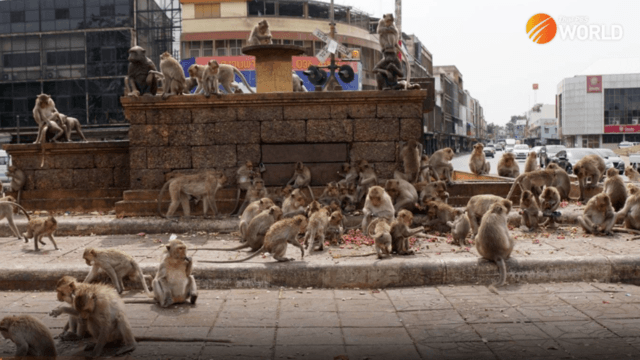



Lopburi is perhaps best known for the historical beauty of Phra Narai Palace and the sanctity of the Phra Khan Shrine (and its famed monkeys), but this central province has much more to offer the visitor, including Wat Khao Wong Phrachan.
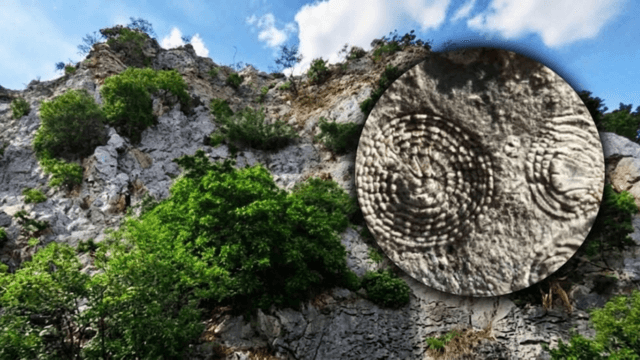
Nestled in the heart of Khok Samrong District, Wat Khao Wong Phra Chan is a site of both spiritual significance and breathtaking beauty. Its name, "Khao Wong Phra Chan"; which translates as "Crescent Moon Mountain" was bestowed by the revered monk Luang Phor Opasi.

Legend has it that he was inspired by the mountain’s distinctive, crescent-shaped ridges, encircling the area like a protective embrace. Standing approximately 650 meters above sea level, this sacred peak invites pilgrims and adventurers alike to climb its 3,790 steps, spanning a distance of 1,680 meters.
Every year, during the Lunar New Year, the temple becomes a focal point for devotion and celebration.
For 15 days, starting this year on January 29 and lasting until February 12, the mountain is illuminated around the clock to guide pilgrims on a journey to pay homage to the sacred Buddha’s footprint at its summit. The festival draws throngs of visitors, particularly Thai-Chinese devotees from near and far, who ascend the mountain to honor Buddhist relics and deities in the Mahayana tradition.
The cultural influence is evident in the architecture and rituals practiced at the site.
But the pilgrimage is more than a religious experience; it is also a physical and emotional challenge. The climb has earned a reputation as a testament to perseverance and love.

Many couples embark on this journey together, viewing the grueling ascent as a symbolic test of their bond. Those who reach the summit hand-in-hand often describe a sense of strengthened connection, believing they have proven their dedication to one another.
Before beginning the climb, visitors encounter the magnificent Luang Phor Phra Phuttha Chok, a towering Buddha statue in the Chiang Saen style. This statue, the largest in Lopburi and second-largest in Thailand, stands as a beacon of faith and
an awe-inspiring landmark at the mountain’s base.
As climbers make their way up, they are rewarded with the opportunity to venerate sacred relics, including the Buddha’s footprint, and pay respects to revered Mahayana deities such as Guan Yin and Guan Yu. Hidden treasures, like the mysterious Mae Nang Prachan Cave, add an air of intrigue to the ascent.
The best time to walk up the mountain is 6 or 7 am, and no later than 9 a.m., to ensure there’s ample time to complete the descent before midday.
However, during the festival, when the mountain is open to visitors around the clock. A late afternoon climb is particularly recommended. This timing allows visitors to enjoy the breathtaking sight of the sunset from the summit and then descend under the starry sky—a rare and magical experience unique to the festival period.
Reaching the summit is a reward in itself. The panoramic views stretch across Lopburi’s vast plains and surrounding hills, offering a serene perspective that makes the arduous climb worthwhile.
A cooling breeze greets weary climbers, revitalizing their spirits before they begin the descent.

Descending, however, presents its own challenges. The steps put much strain the knees, and climbers are advised to descend carefully. Some have devised a more unconventional method: the “thung sing” or “sliding sack” technique.
Using a sack lined with halved plastic bottles, thrill-seekers slide down the stair railing. While undeniably exhilarating, this method is fraught with risks due to the rail’s uneven and winding design, and caution is strongly advised.
For those planning to tackle the climb, preparedness is key. The walk could take anywhere from 45 to 120 minutes one way, depending on an individual's physical condition.
Visitors are welcome to bring their own food and drinks, though refreshments are available from vendors along the way. Trash disposal is managed on-site, but in the spirit of environmental conservation, climbers are encouraged to carry their waste back down.
The Khao Wong Phra Chan festival is a highlight of Lopburi’s cultural calendar, drawing both local and international visitors. It is an opportunity to not only pay homage to sacred relics like the Buddha’s footprint and Luang Phor Phra Phuttha Chok but also to immerse oneself in traditional rituals and festivities.
Highlights include the ceremonial bathing of the Luang Phor statue, dharma talks, cultural performances, and the vibrant market showcasing local crafts and delicacies.
Wat Khao Wong Phra Chan is more than just a mountain; it is a convergence of faith, tradition, and human determination. Whether you come seeking spiritual fulfillment, cultural enrichment, or the thrill of conquering its 3,790 steps, this sacred site offers an unforgettable experience that lingers long after the journey ends.