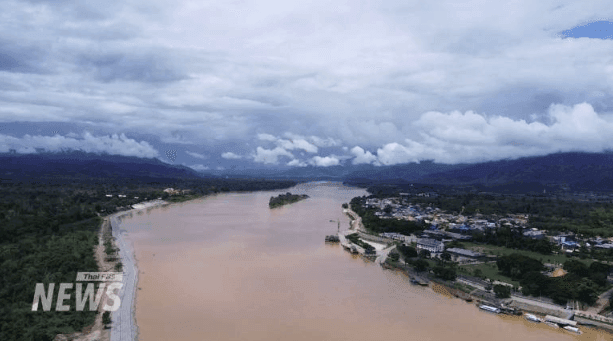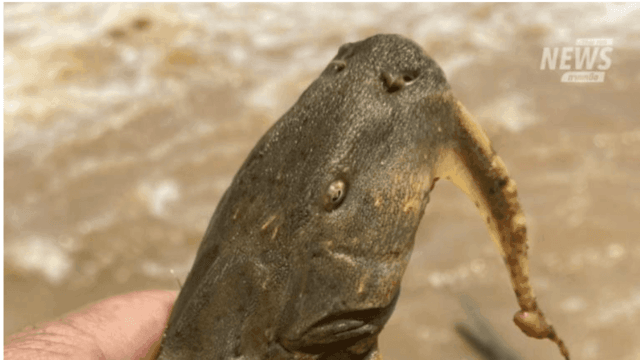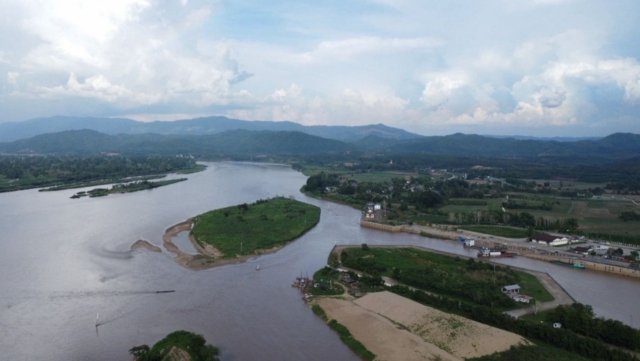



The Living River Siam Association (LRS) and local fishermen in Chiang Saen district, of the northern province of Chiang Rai, are urging authorities to investigate whether skin diseases, found in several species of fish caught in the Kok River, are related to the arsenic and other heavy metals detected in the water.
Somkiat Khernchiangsa, president of the LRS, a campaign-based organisation working to support local communities’ rights to their water resources, disclosed that local fishermen in Chiang Saen have noticed that several species, caught in the Kok River in the past two years, have developed bumps on their skin and heads, making them wonder whether the abnormalities could be linked to the pollutants in the river.
Massive mining activities in Myanmar, for gold and other precious metals, mostly by Chinese investors, have been blamed for the discharge of waste water, contaminated with arsenic and other heavy metals, into the Kok and Sai rivers, which flow into Thailand’s Chiang Mai and Chiang Rai provinces.
Provincial authorities in Chiang Rai have forbidden the use of water from the Kok River for consumption, if samples from the river are found to contain excessive levels of arsenic.
The contamination of the river and the measures adopted by the authorities have severely affected businesses along the Kok River, such as floating food shops, forcing many of them out of business.
The LRS held a forum in Muang district of Chiang Rai on Tuesday, to address the environmental threats posed to the Kok and Sai rivers and the futures of people who are dependent on them to make a living.
The meeting concluded that there is an urgent need for dialogue between the Myanmar government, the Thai government, the ethnic Wa force and China.