As Thailand gears up to celebrate National Children’s Day, an occasion that promises joy and hope for many young hearts, a sobering reality lurks in the shadows.
Hundreds of thousands of children remain out of school and out of reach, left behind by a system that struggles to adapt to their needs. These children’s hardships reveal systemic cracks that demand urgent attention.
Rethinking ‘Education’
Education, once considered the great equaliser, has become a barrier for many.
Despite the Ministry of Education's awareness of the urgent need for radical changes, progress is far too slow. The changes so far have done little to bridge the gap for marginalised children.
In 2024, over a million children were out of school in Thailand. Through initiatives like the “Thailand Zero Dropout” campaign, led by the Equitable Education Fund, 300,000 children were reintegrated into the education system, but nearly 700,000 remain excluded.
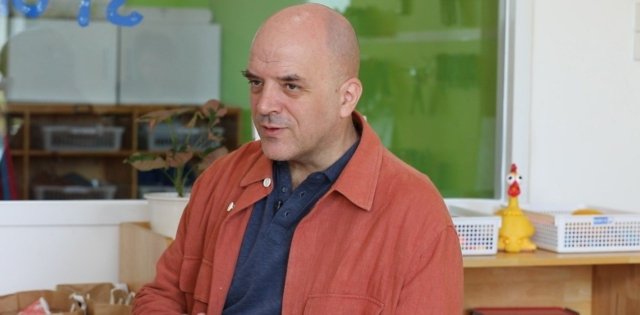
Assoc. Prof. Dr. Luechai Sringernyuang, an educational specialist, notes that traditional educational models often fail to meet the diverse needs of these children. Additionally, for many families, the financial burden of schooling is simply unaffordable.
“This group of children is a product of systemic problems. Therefore, the relevant authorities should carefully reconsider their understanding of 'education'”, he added.
If education truly means cultivating personal growth, developing life skills, discovering individual potential, acquiring the ability to earn a living and fostering harmonious living with others, then achieving these goals presents a significant challenge for the Ministry of Education and the government.
Dr. Luechai calls for decentralisation and a rethinking of learning approaches, to make education more accessible and adaptable.

Assoc. Prof. Dr. Luechai Sringernyuang, educational specialist.
Prejudices about out-of-school children
For children who drop out of school, life is fraught with hardship. Some are forced into labour to support their families, while others, fleeing broken homes, fall into criminal activity or gang involvement.
Too often, society views these children through a lens of blame, labelling them as troublemakers, unintelligent or worthless - assuming they were destined to be delinquents, dismissing their struggles as personal failings. This perception is incorrect.
In many cases, these children are actually victims of deeper issues, including family crises and a lack of societal support.
“Their hardships are a reflection of our collective shortcomings,”
Dr. Luechai states, emphasising that we cannot isolate ourselves from their struggles, as they are intertwined with the well-being of our entire society.
The national agenda
When asked how well we look after our children - who will run this country one day - he addressed the question by revealing an inconvenient truth he has observed during his extensive field experience working with children.
“Children and families are in serious crisis”.
The challenges faced by these children cut across social strata. Whether in rural communities or wealthy families, issues like inner struggles, loneliness, low self-esteem, intense competition and a lack of happiness are alarmingly common.
Parental divorce, childhood depression, addiction to gaming or friends, and reliance on mobile devices for parenting, exacerbate these problems.
Dr. Luechai believes that addressing these challenges requires urgent action. “The bottom line is that we must now treat these issues with the urgency they deserve. Children and family welfare must become part of the national agenda”.
Why we must care
While Children’s Day symbolises hope, it also reminds us of our responsibilities. These out-of-school children represent huge untapped potential. Each child left behind is a lost opportunity for Thailand’s future.
Their struggles require more than compassion; they demand concrete action.
These children have the potential to achieve beyond our expectations, including becoming future time bombs on one end, or even leaders of the nation on the other.
It is time for society at large to examine the problems facing children in greater detail. By creating inclusive systems and addressing systemic flaws, we can ensure that no child is left behind - because nurturing them means nurturing the future of our country.
By Att Boonyatus