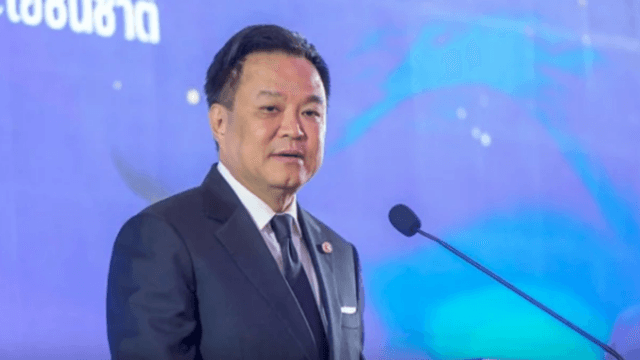



The Business Development Department is investigating certain types of business which are thought to use Thai nationals as nominee shareholders regularly, said Department’s Director General Oramon Sapthaveetham.
These include tourism and related businesses, real estate, e-commerce, transport and logistics, warehousing, hospitality and related businesses.
Many eateries in Bangkok’s Huai Khwang and Rama 9 areas, as well as farmland in Rayong and Chanthaburi provinces, are reportedly owned by Chinese investors using Thais as nominees.
She said that her department and the Anti-Money Laundering Office (AMLO) have been working on amendments to the anti-money laundering law, to tighten up controls on businesses suspected of using Thai nominees as majority shareholders to circumvent the Alien Business Act, which stipulates that equity held by Thai shareholders must be at least 51% in the types of business controlled by the act.
According to the amendments, which are now receiving public feedback, businesses which are proven to be using Thai nominees as majority shareholders, may face confiscation by the state and both the foreign executives and their Thai nominees will face legal action.
Meanwhile, chairman of the House Economic Development Committee, Sitthiphol Wibulthanakul, disclosed that more than 300 companies with Chinese shareholdings were set up in Thailand last year.
One of the firms involved in the construction of the collapsed SAO building, China Railway No 10 (Thailand), he said, is just the tip of the iceberg of Chinese-owned companies using Thais as their nominees, adding that the Business Development Department is powerless to address this illegal practice because its main task is the registration of companies.