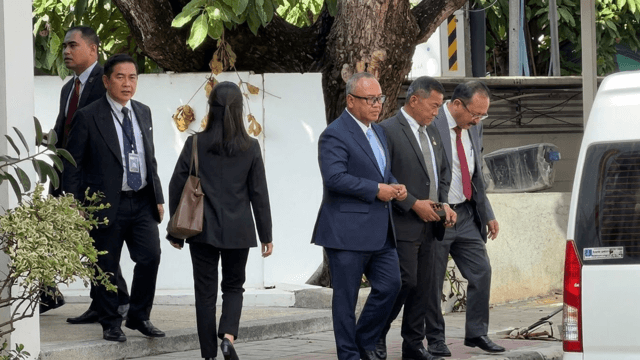



A coalition of civil society groups has called on the Thai government to take concrete action on human rights recommendations received during the fourth cycle of the UN Universal Periodic Review (UPR) in Geneva, Switzerland, urging clear timelines and dedicated budgets for institutional reform.
In a joint statement, issued through Amnesty International Thailand yesterday, rights groups noted that Thailand received 297 recommendations from 106 UN member states during its review at the UN Human Rights Council on November 9.
The UPR serves as a peer-review mechanism, in which states evaluate each other's human rights records and propose corrective measures.
While Thai delegates reaffirmed commitments to enact anti-SLAPP (Strategic Lawsuits Against Public Participation) legislation, to prevent judicial harassment and introduce anti-discrimination laws, the government maintained its defense of Section 112, the country's strict lèse majesté law.
Rights advocates stated the official response failed to address adequately core concerns regarding political prosecutions, state impunity and transnational pushbacks.
Among the submissions, Thailand received 31 recommendations specifically addressing freedom of expression, peaceful assembly and the protection of human rights defenders.
Notably, Sweden recommended amending Section 112 to eliminate minimum mandatory prison sentences and called for legal protections to shield children and young activists from criminal liability under the law.
Rights advocates emphasised that, despite minor legal developments, freedoms remain restricted by laws and practices that leave activists, including youth human rights defenders, vulnerable to prosecution for expressing their views.
"While Thai authorities reaffirmed their voluntary pledge to push forward anti-SLAPP and anti-discrimination legislation, and expressed intent to hear public feedback on amending the Anti-Torture and Enforced Disappearance Act, they failed sufficiently to address concerns over the prosecution of children and youth exercising their rights to expression and peaceful assembly," said Thanaporn Keeratismit, Policy Officer at Amnesty International Thailand.
Civil society groups urge the government to implement the UPR IV recommendations transparently and with meaningful participation from affected communities, asserting that human rights progress must be measured by citizens' ability to exercise their rights and hold institutions accountable, rather than state promises alone.