


As the Bangkok governor race enters its final stretch, the capital’s 11 million-plus residents are focused less on who wins than on whether the next administration can overcome the city’s “mega-challenges”.
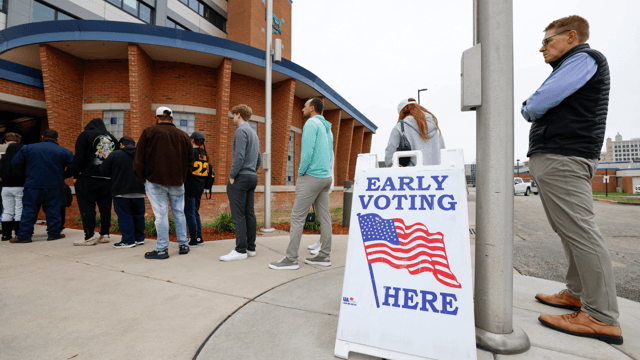
According to a recent survey by NIDA Poll, the majority of Bangkokians are “not at all excited” about the June 28 election, convinced that they already know which candidate will be victorious (32.59%) or that whoever wins will make no difference.
Instead, the spotlight has turned to the future of the Thai capital and its soaring population, with experts and activists warning that the next four years will be a crucial tipping point for Bangkok’s liveability.
Who owns Bangkok?
Pitch Pongsawat, a political-science lecturer at Chulalongkorn University, said securing a sense of “ownership of the city” for all residents should be a top priority.
“We need to think about how we will live together in this city. Everyone has the right to live with dignity in Bangkok, even if they do not have economic or political power,” the academic pointed out.
He noted that Bangkok is home to a vast “hidden” population made up of migrants, the urban poor, transient renters, and informal workers. While many of these residents cannot vote for a new governor, they play a vital role in driving the city's economy through their labour, consumption and indirect tax contributions. Yet, they face significant barriers in accessing public services and social welfare.
This lack of inclusivity is a major challenge for the city, according to Pitch.
“As a global city, Bangkok’s politics should be strong. The Bangkok-governor election should provide a forum for serious debates on the city’s future,” he said.
Time to tackle the big issues
Jaded Chouwilai, advisor to the Women and Men Progressive Movement Foundation (WMP), argues the Bangkok Metropolitan Administration should look beyond the everyday problems prioritised so far by Chadchart Sittipunt, who is seeking another four years as city governor.
“We need to implement long-term policies to tackle rapid economic and social change,” he emphasised, pointing to predictions that artificial intelligence will trigger mass job losses across both the white-collar and blue-collar sectors.
Jaded says the BMA needs to establish “safety nets” – covering employment, social welfare, and mental health – for workers replaced by AI.
“Economic stress often leads to mental disorders and domestic violence,” he warned.
He also called on the BMA to support Bangkok’s vast army of informal-sector workers – including food-delivery riders, massage therapists, and motorcycle taxi drivers – with rest areas, free drinking water, and daily childcare centres.
“We should design Bangkok as an inclusive city. It shouldn’t just belong to the middle class, tourists, or high earners,” he said.
A city under siege
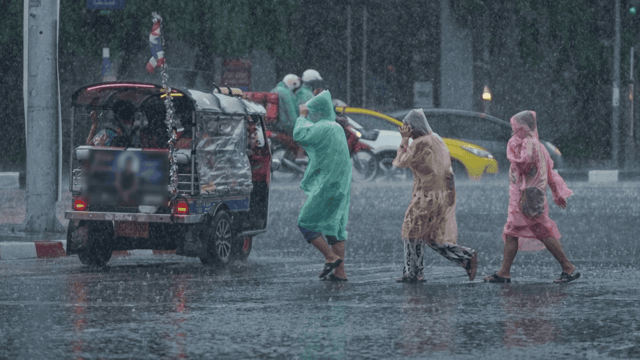
Sonthi Kotchawat, an environmental and health academic, warned the BMA must urgently tackle three existential crises. PM2.5 dust, the impacts of climate change, and seasonal flooding all threaten Bangkok’s future as a liveable city, he said.
He urged City Hall to establish more dust-free rooms at childcare centres and schools, proper segregation and management of waste, rehabilitation of city water sources, and expansion of green areas.
“We also need elderly daycare centres to support working-age people who worry about leaving their frail parents at home,” he said.
In addition, he insisted it was high time that Bangkok had a joined-up transport system, with shuttle buses connecting key mass transit hubs to surrounding areas.
Saree Aongsomwang, secretary general of the Thailand Consumers Council, wants the next governor to cut transport costs by overhauling the city’s main Skytrain route – operated by BTS under a contract that expires in 2029.
“The concession should not be extended, and the BMA should start preparing now to take over Green Line assets,” she said. “City Hall can use the hand-back guidelines that we have already prepared in collaboration with Sripatum University.”
Lower public-transport costs would encourage residents to leave their cars at home, reducing Bangkok’s chronic traffic and air pollution problems with one action, she added.
“Convenience is also key,” she emphasised. “There should be a feeder transit line for every Bangkok district.”
She also urged the new Bangkok governor to improve the capital’s public-health system. “Bangkokians should be able to receive free medical treatment closer to their homes,” she said.
What the candidates are offering
Former Pheu Thai politician Chadchart remains favourite to win re-election as an independent candidate, with a 56.7% public approval rating in a recent survey. Four years ago, he won the race by a record landslide, outscoring the accumulated vote of all his rivals.
This time his campaign has focused on boosting Bangkok’s economic strength, as well as transparency and inclusivity. An MIT-educated engineer by profession, he has also pledged to leverage technology to boost his administration’s efficiency.
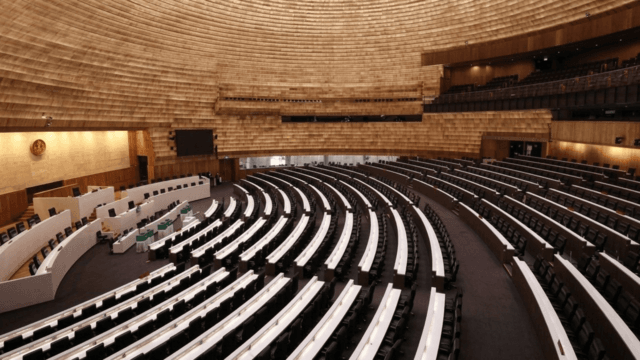
“We will work on many fronts at the same time,” said Chadchart, adding that he was ready to cooperate with Bangkok councillors who form the other branch of city governance. While the Bangkok governor heads the executive branch (BMA), the Bangkok Council serves as the legislature or “city parliament”. The Bangkok Council elections will be held on the same day as the governor election, June 28.
Dr Chaiwat Sathawornwich, the opposition People’s Party candidate, is running second behind Chadchart in the polls. Chaiwat believes he has an advantage given his party is also fielding candidates for the council.
“Our party has prepared a progressive agenda that combines both the city and its districts. If you want your district’s agenda to go ahead, you should also cast your vote for the People’s Party gubernatorial candidate,” he said.
The Democrat Party’s candidate, meanwhile, is running under the campaign slogan “Heavenly Bangkok…And More”, promising a more convenient, more comfortable, more prosperous and more transparent Bangkok. His campaign is built on five pillars: infrastructure and transit upgrades, modernised waste management, expanded healthcare, economic revitalisation, and transparency.
The Krungthep Bin Dai (Bangkok Can Fly) group headed by former MP Mongkolkit Suksintharanon has vowed to transform the capital with a series of eye-catching innovations. Its candidate, Pasapong Chaiviriyavanich, has pledged to introduce flying vehicles to bypass traffic, turn the notoriously stinky Saen Saep canal into drinking water within two years, and build a dinosaur theme park in the city centre.
Roughly 4.5 million Bangkokians are eligible to vote in the upcoming gubernatorial election, up by 100,000 from four years ago. They will choose from a field of around 18 candidates.
By Thai PBS World’s Political Desk