Malaysia’s Prime Minister Anwar Ibrahim has spoken with both the Thai and Cambodian prime ministers, to discuss ways to reduce the deadly border tensions, one day ahead of a special ASEAN Foreign Ministers’ Meeting in Kuala Lumpur.
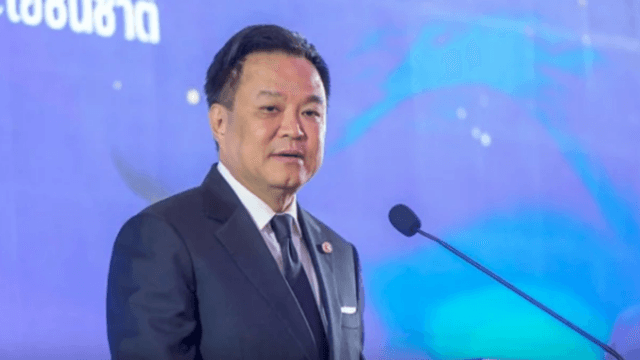
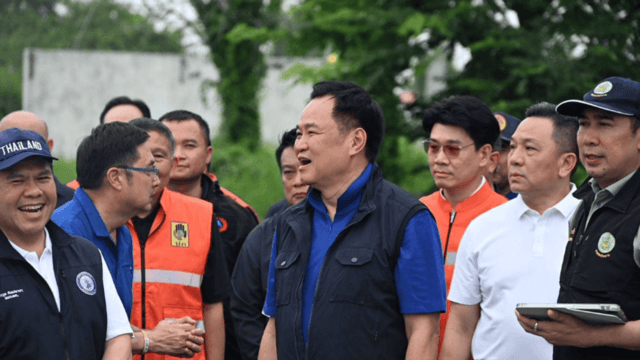
In a post on his Facebook page on Sunday, Anwar said that he has spoken separately with Cambodian Prime Minister Hun Manet and Thai Prime Minister Anutin Charnvirakul, to exchange views on easing the increasing tensions between the neighbouring countries.
“I had the opportunity to connect with the Prime Ministers of Cambodia and Thailand, to exchange views and discuss the best course towards easing the tensions that have arisen between the two countries,” Anwar wrote.
He stressed the importance of dialogue and restraint, urging both sides to act with wisdom and mutual respect, to bring the tensions to an end and preserve peace and stability in the region.
“The ASEAN foreign ministers’ meeting, to be held tomorrow, is an appropriate and constructive platform to enable both countries to negotiate openly, resolve differences peacefully and achieve a fair and lasting solution,” he added.
The meeting was called by Anwar in his capacity as ASEAN chair and will be held in Kuala Lumpur during the final week of Malaysia’s chairmanship, ahead of the handover to the Philippines.
The meeting was initially scheduled for December 16th, but was postponed by a week at Thailand’s request.
The diplomatic push comes amid heightened international concern over the border situation.
Last week, China’s Foreign Minister Wang Yi had separate phone conversations with both Anutin and Hun Manet and revealed that both leaders wished to reduce the tension.
A Chinese special envoy was assigned to conduct shuttle diplomacy, visiting both Phnom Penh and Bangkok. Deng Xijun is scheduled to be in Bangkok today, after visiting Phnom Penh.
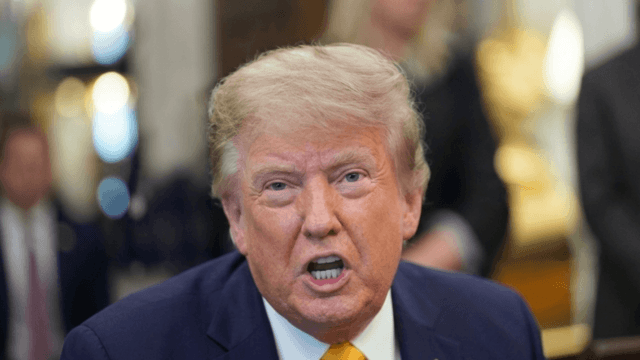
Earlier, US President Donald Trump held separate telephone conversations with Anutin and Hun Manet.
During his call with Anutin, Trump referred to a landmine incident on December 7th, in which Thai soldiers were injured, as a “roadside accident”, a remark that sparked strong reactions in Thailand.
Foreign Minister Sihasak Phuangketkeow expressed disappointment over the comment, saying that it had affected the sentiment of the Thai people.
“As the US’s longest-standing treaty ally in Asia and a major non-NATO ally, Thailand and the United States have stood side by side through many challenges and, to this day, our relations are grounded in shared security interests,” Sihasak said.
He added that describing the incident as a “roadside accident” was inconsistent with the facts, noting that evidence showed landmines had been deliberately laid on seven occasions.