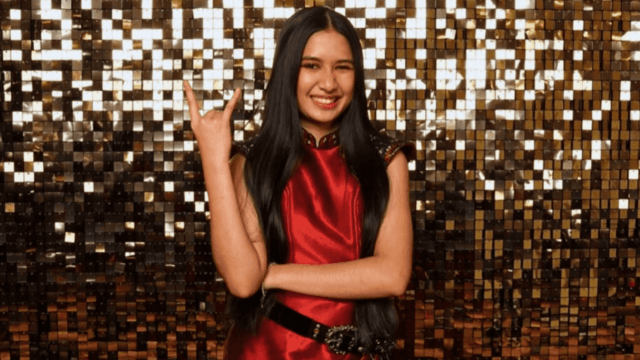



In 1991, Dominic Paul Grief, (previously known as Duang Thannarin), was adopted by a British family at just six months old. Taken from a Thai orphanage to the UK, he spent his childhood on the outskirts of London. Now, at 33, he is preparing to return to his motherland permanently.
Confronting Racism
Dominic’s adoption was a beacon of hope for his adoptive parents, who had struggled with infertility. They opened their hearts and home to three children, one from Ecuador and two from Thailand.
For Dominic, this opportunity was life-changing, opening the door to a brighter future filled with unconditional love and unwavering support. His parents were determined to provide him with the best opportunities, enrolling him in an independent school in Kent to ensure he received a quality education.
Yet, despite their efforts, Dominic faced relentless bullying from his peers because of his skin color. Feeling isolated and vulnerable, he chose not to confide in his very protective parents, fearing their intervention might worsen the situation.
Instead, he tried to blend in, altering his appearance to look more ‘Western’, in an attempt to avoid further harassment.
“Makeup became a way for me to explore and disguise myself,” Dominic explained. It allowed him to transform his appearance, giving him a temporary sense of confidence and control in an otherwise challenging environment.
Professional journey
Racism and social discrimination marked much of Dominic's childhood, but these experiences shaped his identity and career, turning adversity into strength, becoming a successful makeup artist and launching his own organic cosmetics brand.
Dominic applies his experience and his special techniques to create multipurpose products.
He admitted that his first product, the contour palette, was originally intended to be a one-off creation, rather than the foundation of the brand he owns today.
"When I started distributing it to stores and schools, and showed it to the UK press, people just fell in love with it. They told me I had something special," he recalls.
When asked about the challenges of entering the saturated cosmetics market, with its thousands of brands worldwide, Dominic replied, “I must say, there's a lot of competition out there, but I think, with my social media following and my experience as a makeup artist, I had a platform on which to develop this product."
He noted that, while there are many men in the industry, Asian men are underrepresented. "I think that's how I found my avenue and got my foot in the door," he explained.
An unanswered question unfolds
Dominic and his sisters were raised knowing that they were adopted children. He said his parents saw this honesty as an essential part of their family journey.
"It was very obvious, three dark-skinned children and two white parents, that we weren't biologically related, and questions would inevitably arise," he explained.
He's frequently asked about his feelings upon learning the truth. "People assume that when you're told you're adopted, you feel unwanted. They think you don't feel as if you have real parents and that you want to know who your biological parents are, whether you have siblings or other living family members."
The truth didn't affect him significantly, though, because he was adopted as a baby and had no memories of his biological parents. He admitted never feeling an urge to find out who or where they were.
Dominic was content with his family. "Being raised with the parents I had, they were my parents, as if they were blood. We might not look the same on the exterior, but inside, we are connected."
Nevertheless, he acknowledged that doubts about why his biological parents had abandoned him sometimes lingered in his mind. This question stayed with him until he finally discovered the answer.
During his latest visit to Thailand, Dominic went to his former orphanage, to collect documents for his Thai ID card application. There, he was given a book documenting his time at the orphanage.
It revealed that his biological mother had given him up because she couldn't afford to care for him and wanted him to have a better life.
After learning this truth, he said, "That put me at ease, because I've asked myself many, many times about why wasn't I wanted, but I actually found out the reason why and it doesn't hurt as much.”
Returning home
After years of visiting Thailand, Dominic has decided to return permanently. His connection to Thailand runs deep. Though he doesn’t want to seek out his birth family, he feels a sense of belonging.
"It's definitely in the blood," he says, describing the inexplicable familiarity he experiences whenever he visits.
For Dominic, this homecoming represents more than a personal journey, it's an opportunity to reconnect with his Thai heritage, embrace his birth culture and give back to the community that gave him life and the chance to build a brighter future.'
Dominic's journey, from a Thai orphanage to becoming a successful UK makeup artist and entrepreneur, and now returning to Thailand, demonstrates the power of opportunity and resilience.
His story exemplifies how a loving home can transform a child's life.
By Att Boonyatus