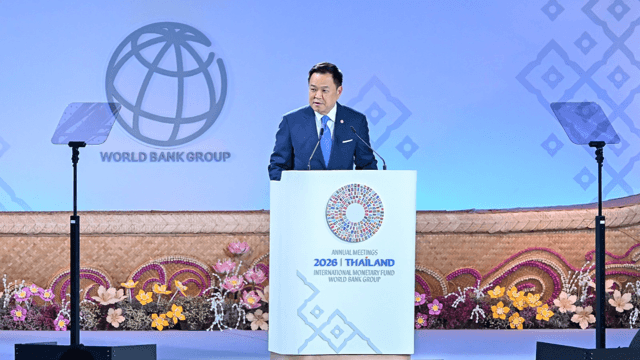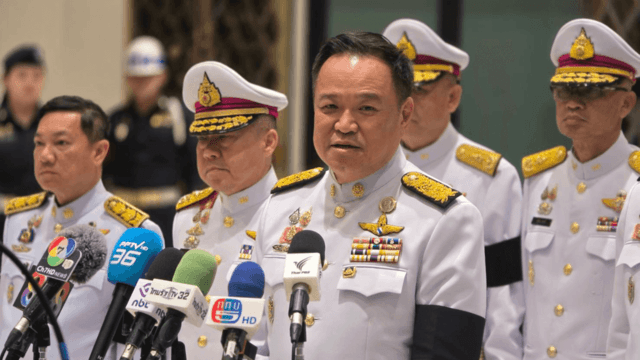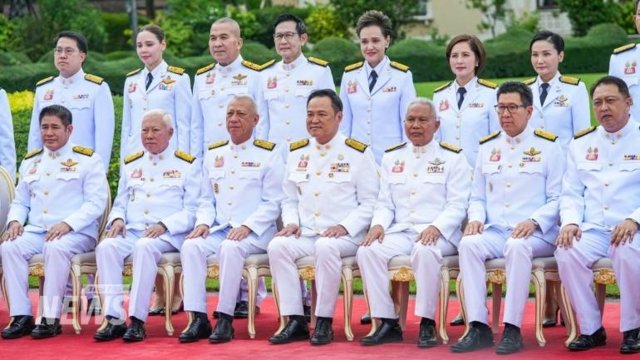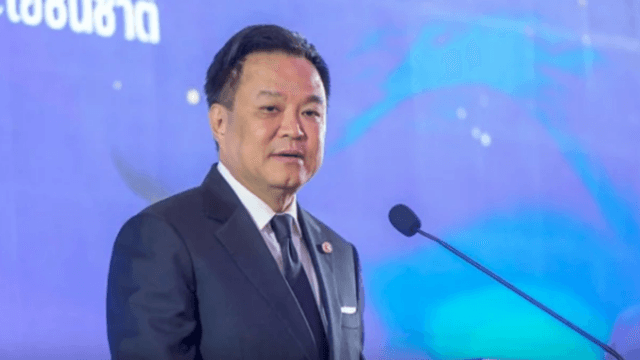



Prime Minister Anutin Charnvirakul will deliver the government’s policy statement to parliament on Monday, followed by a two-day debate by opposition and government MPs.
The time for the debate has already been allocated as six hours for government MPs, three hours for the Senate and 15 hours for opposition parties.
Pakornwut Udompipatsakul, opposition chief whip and People’s party MP, said that, since the Pheu Thai party has decided to disassociate itself from the other opposition parties, Pheu Thai will have six hours for the debate while the remaining nine hours will be shared among the other opposition parties.
The prime minister will highlight his government’s keystone policies, including protection of the institutions of the nation, religion and the monarchy, the upholding of the democratic system with the King as the head of state and the upholding of the rule of law, just enforcement and good governance.
The other highlights are:
· Holding referenda to seek public consent to the drafting and acceptance of a new Constitution and a referendum to decide whether the MOU with Cambodia should be revoked.
· Increasing revenue, cutting the cost of living, rolling out the co-payment scheme, ensuring fair prices for agricultural products and promoting the use of technology to improve the skills of the people.
· Trying to ease household debt, increase liquidity for SMEs, increase access to funding for good debtors and increase business opportunities for SMEs.
· Exploration of new markets for Thai exports through FTAs and applying for membership of the Organisation for Economic Co-operation and Development (OECD).
· Trying to resolve the border conflict with Cambodia through peaceful means, while maintaining its territorial sovereignty.
· Not supporting an entertainment complex project which includes a casino or other forms of gambling.
· Striving to achieve net zero greenhouse gas emissions by 2050, to meet international trade practices and climate change rules.
· Accelerating the reform of laws and regulations and revocation of obsolete legislation.