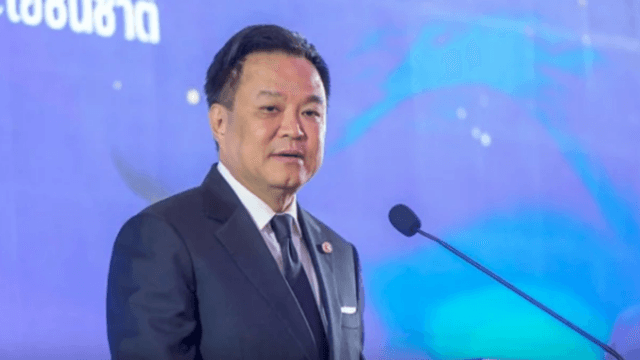



In a live broadcast to the nation today, Prime Minister Paetongtarn Shinawatra claimed that 2025 will be a year of “tangible, practicable possibilities and hope” for Thai people, as she detailed the Pheu Thai-led government’s performance over the past three months and laid out the projects it intends to implement going forward.
She began by saying that the first three months in office was a period of adjustment to policies and working style inherited from the previous administration of Prime Minister Srettha Thavisin.
She went on to say that the Thai people have been embroiled in political conflicts for the past two decades, but they are now ready to move on together, to tackle the pressing problems facing the country, adding that her cabinet is a unified team, dedicated to working for the good of the people.
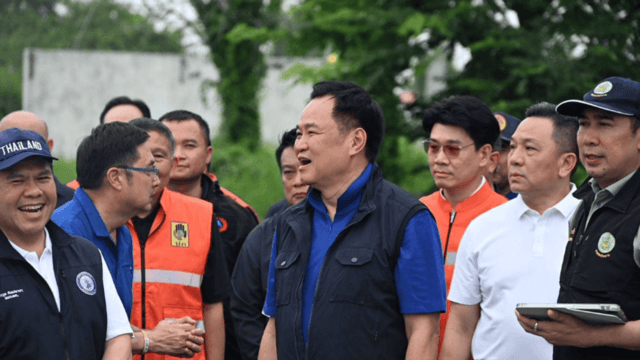
Such problems, she said, include the recent devastating flooding in northern and southern provinces, the government’s quick response to which alleviated the hardships of many of the flood victims.

Photo: PM's Facebook page
Floods and drought are twin problems which have remained unresolved for a long time because they have not been tackled comprehensively, she said, adding that her government has adopted a new approach, by enabling public participation in problem solving and approaching neighbouring countries such as Myanmar.

Photo: PM's Facebook page
PM2.5 air pollution is being addressed through a policy to boycott farm products from neighbouring countries which allow their farmers to burn farm waste.
On rice exports, which have been monopolised by major rice exporters, she said the government has amended regulations to make it possible for smaller businesses to export their grain without the need to have a silo or a warehouse capable of storing at least 500 tonnes.
The government is also working on legalising some historically ‘underground’ businesses, so they can be taxed, and on promoting the community-based liquor industry.
The prime minister said the government plans to invest in future industries and to train Thai students in the skills needed to transform the country into an AI hub in the region.
Also, she said the government will revive the “one district, one scholarship” program, by granting scholarships to talented students so they may study at top universities abroad, while promoting bi-lingual courses in district-level schools, with funding from the Government Lottery Office.
Her administration will also press ahead with cutting suburban train fares on all routes to 20 baht and developing housing projects for Thais, so that they can own their own home at an affordable price.
Regarding the “digital wallet” scheme, the prime minister offered her assurance that Thai people over 60 will receive the 10,000 baht cash welfare benefit before Chinese New Year, while other recipients will receive it as “digital” money.