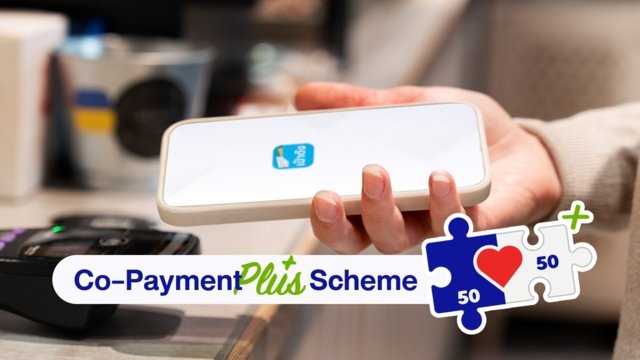


The cabinet approved the co-payment scheme today, which is scheduled to run from October 29 through December 31, under which Thai citizens, aged 16 and up, will be entitled to have a one-time payment of 2,400 baht each for those already in the tax system and 2,000 baht each for those outside the tax system wired into their accounts via the “pao tang” or “thung ngern” applications.
Registration to apply for the entitlements are scheduled for October 20 through 26.
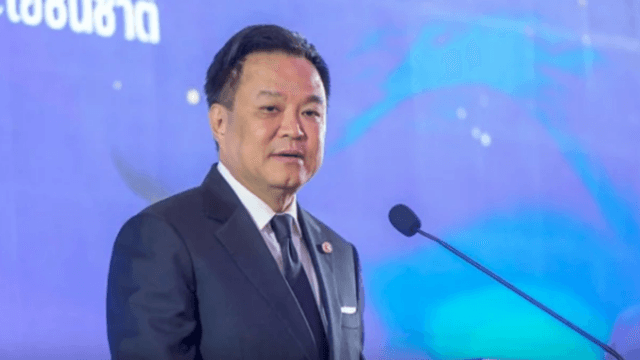
Deputy Prime Minister and Finance Minister Ekniti Nitithanprapas told a press conference today that the scheme will help boost public spending in the fourth quarter of the year and is expected to boost economic growth by 0.3%-0.4%, adding that, without this populist scheme, the growth rate may stagnate.
He described the co-payment scheme as a short-term measure, which will have a long-term and positive effect on the Thai economy.
The co-payment scheme of this administration differs from that launched by the government of Prayut Chan-o-cha in several ways.
Beneficiaries can now be as young as 16 years old (instead of 18), the daily spending limit has increased from 150 baht to 200 baht, taxpayers are entitled to a one-time payment of 2,400 baht, businesses with annual revenue not exceeding 1.8 billion baht can join the scheme, and it aims to help entrepreneurs enhance their skills in leveraging AI technology for business.
The deputy prime minister said that the scheme will cost the taxpayer about 44 billion baht, of which 19 billion baht will come from the Central Fund and 25 billion baht from the residual budget of the 2025 fiscal year.
Coupled with the 44 billion baht to be spent by the 20 million participants in the scheme, plus an additional 23 billion baht to be spent by state welfare card holders, he claimed that the Thai economy will receive an injection of 100 billion baht, which will boost economic growth for the fourth quarter.