Both US presidential candidates, Kamala Harris and Donald Trump have campaigned for utilising tariff policies to restrain Chinese products from selling in the US market. An economist emphasised that Thailand needs to prepare for the economic impact due to trade war between two superpowers.
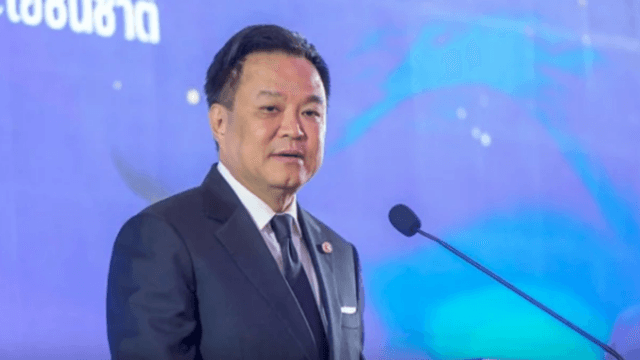
Dr. Kirida Bhaopichitr, told Thai PBS world that should the next US government increase tariffs against China-made goods, more Chinese products could flood into neighbouring economies, including Thailand.
“Thailand will be impacted as well. I think it will not happen on the price side, but more Chinese products will be imported to the market, since Chinese products cannot compete with others in the US market. It means that Thai products will face very a difficult time, because Chinese products are normally cheaper than our products.”, she stated.
However, Dr. Kirida also pointed out that Thailand could potentially benefit, as the US might need to seek imports from other countries instead of China, which means that Thailand will have to compete for this chance of shifting supply chains.
Since former President Donald Trump’s administration in 2018, the economist said that the US has been aggressive in the tariff policy against China, adding that the Biden-Harris government continued the policy against Chinese products.
According to Dr. Kirida, “if tariffs increase to 60 percent against Chinese products and 20 percent over the board, the Untied states might face higher inflation. But it also depends on the policy rate cut. In the short run, the US still needs to import Chinese products, because the country cannot manufacture these Chinese goods”.
She also highlighted the transition of global supply chain in the long run, adding that relocation of manufacturing bases to Southeast Asia could happen rapidly, as Chinese companies will need to produce their products in other countries to avoid high tariffs.
Despite the foreseeable impact to Thai economy, the economist is optimistic that Thailand will be able to thrive amidst trade wars between the US and China, since Thailand can adapt the realignment of global supply chains.

However, she emphasised that Thailand needs to be ready for companies that might want to shift their operations base, by producing more skilled workers and be open to foreign talents in the job market.
“We have survived since 2018 when President Donald Trump decided to raise the tariffs. For this time, I think more factories will be relocated to Thailand, but those companies need more skills in different sectors, such as electric vehicles, biotechnology, and electronics. Now, Thailand needs to show how much it can adapt to embrace new investment,” Dr. Kirida said.
Full interview: