


Scammers, landmines, alleged civilian casualties and politics are badly complicating the peace accord between Bangkok and Phnom Penh, which was signed in Kuala Lumpur under the watchful eyes of Washington.
This means that by the time you read this, the much-celebrated agreement may have gone into a coma if not already in its last breath.
Over the past few days, Thailand has highlighted a landmine explosion that severed a Thai soldier’s foot whereas Cambodia has tried to tell the world about an “unprovoked shooting” by Thai soldiers which allegedly killed a Cambodian villager and injured three others.
They were the kind of incidents cited to break a ceasefire agreement anywhere in the world. “They are the aggressors and we will fight back.” “We respect what was agreed but see what happened.” “Our tolerance has its limits”.
Bangkok and Phnom Penh are saying the same things. Such accusations are to be expected following any ceasefire or a more permanent deal everywhere, yet a common misunderstanding is that it is because soldiers at the battlefields get the message too slowly.
Truth is that if the test is tough for those in the trenches or bunkers, the test for politicians on both sides of the border are a lot tougher.
What would you say if you were Thai Prime Minister Anutin Charnvirakul or his Cambodian counterpart Hun Manet? Anything but “We will turn the other cheek”, of course. They have said what they had to say.
That does not mean the political requirements were the right thing, however. They are putting the Kuala Lumpur peace accord on a slippery slope. Political statements never promote love. They amplify hate. And hate is the last thing general Thais and Cambodians need at the moment.
In Cambodia, it is important that the public resentment against Thailand be kept alive, otherwise the ruling Hun Sen family may be in big trouble. Phnom Penh has to be careful about the image, though. Which means that internationally-perceived aggression is a no-no, and being seen as the victim is the way to go.
With the media under stricter control than their Thai counterparts, and politicians virtually speaking in one voice, that is relatively easy. The landmine that went off was an “old one”. A Thai military attack on a Cambodian village, killing one civilian and injuring a few others, was “real” and “new”.
That “village attack” spawned countless articles and opinion pieces on the home page of the Khmer Times alone. Words like “horror”, “betrayal” and “(unprovoked) hostility” were used. Imagine the mood across the country.
Cambodia’s ruling political leaders need a distraction from internal pressure, which is building slowly but surely. In addition to that, international scrutiny is growing substantially, regarding human trafficking and scamming. The economy is on a tailspin, a recipe for big political protests.
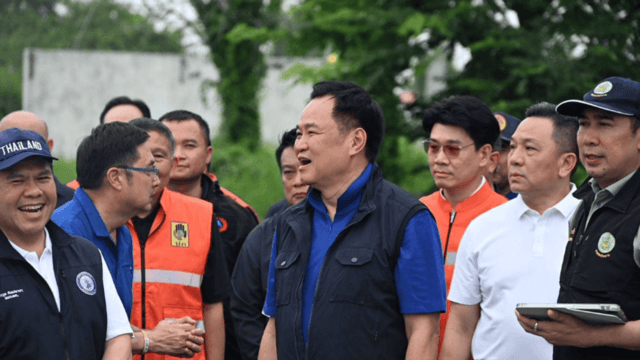
In Thailand, politicians are more divided. The conservative government has to project a tough stance following the landmine explosion and criticism from those who thought the Bangkok administration was too imprudent in signing the peace deal. Yet the biggest opposition camp, the People’s Party, is calling for a very cautious approach.
The border dispute with Cambodia is becoming a big electoral issue in Thailand. So, how the peace deal is doing is very significant.
The People’s Party, which won the last general election under the name Move Forward, cannot go gung-ho when it comes to Cambodia. The camp has not been a fan of strengthening the military might and favours humanitarian treatment of Cambodian civilians. To put it bluntly, the party benefits more if the peace deal stays but will lose more if the war is renewed.
Pheu Thai will not make political gains from a war with Cambodia, either. Worse still, it’s not in a position to comment on anything. Whereas the People’s Party can come out to warn the Anutin government that Cambodia could be using landmines to divert attention from the issue of transnational crimes affecting the neighbouring country’s image, the best Pheu Thai can do is stay silent.
Bhumjaithai, meanwhile, is not pleasing hardline conservatives with the peace deal, but the accord may have given it considerable gains in general. Renewed tension can have the same effect on the party as it does on the ruling Cambodian elites.
This means that Thailand’s third-biggest party would be okay with whatever happens to the peace accord.
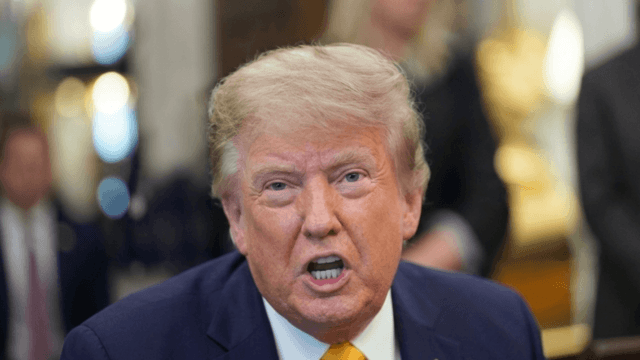
In America, the political divide has come to a point where a lot of people who hate Donald Trump must be wanting the Thai-Cambodian peace pact to not do well. The US president has promoted the peace deal as his achievement, so if it turns out to be his failure, his opponents will not lose sleep, even though that means a lot of people will die or get wounded.
This means many things. Some anti-Trump western media outlets may not play up common senses and instead overplay relatively-minor problems. Certain politicians may call press conferences to say “Look what’s happening in Southeast Asia where our bragging leader is rushing peace in an effort to claim credit.” International support for peace will not be in unison.
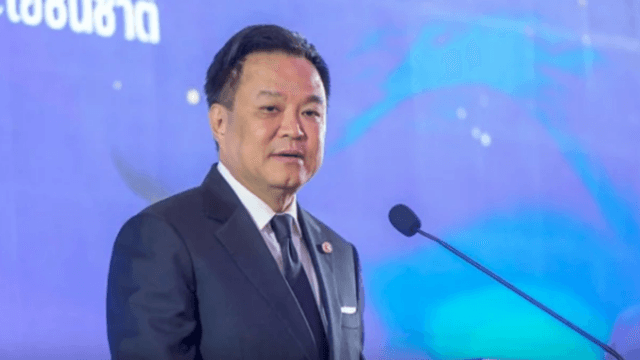
Putting all of the above together, the peace accord signed in Kuala Lumpur only weeks ago does not have a good future. And what Thai Foreign Minister Sihasak Phuangketkeow told the Thai PBS this week can be cynically seen as too “textbook” for comfort. The man who emerged from a recent UN session a popular upholder of Thai sovereignty said he still had high hopes in diplomacy.
All peace advocates say so. The problem is, so do their war counterparts.