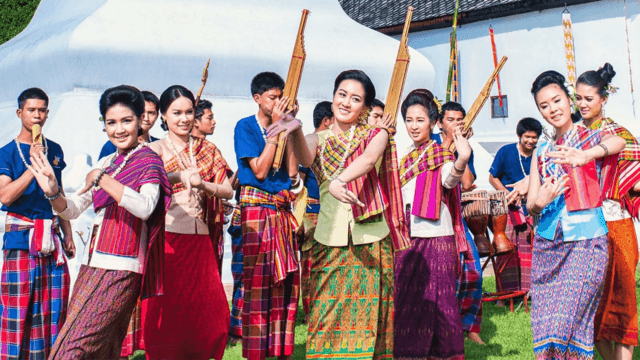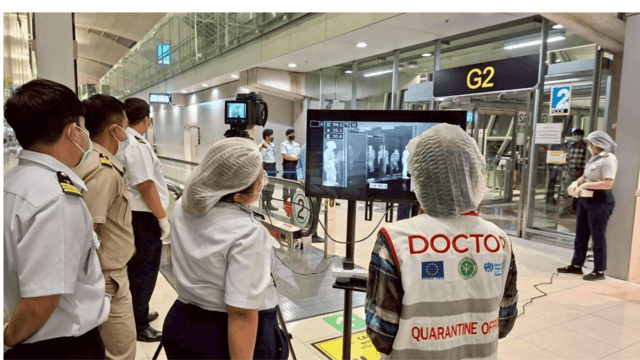



COVID-19 infections are expected to increase after Songkran, due to bodily contact between many people gathering together in tight spaces to splash water and the movement of massive numbers of people around the country, said Dr Yong Poovorawan, head of the Centre of Excellence in Clinical Virology at Chulalongkorn University, in his Facebook post today.
He based his prediction on the study of more than 8,000 COVID-19 cases throughout last year, noting that COVID-19 does not spread like ordinary respiratory diseases, such as influenza, which usually spread during the wet season or after the start of a new school term.
COVID-19 infections, he pointed out, usually start at the beginning of April and then spread quickly during the Songkran festival.
Although the virus spreads more easily than flu, it is less life-threatening and its severity is similar to that of influenza, Dr. Yong added that treatment is given in accordance with the symptoms, except for vulnerable people, such as pregnant women, the obese or those with an immune deficiency, who may need anti-viral medication and close surveillance to prevent complications.
JN.1 Omicron remains the dominant sub-variant, accounting for 64.97% of COVID-19 cases in Thailand, followed by the XEC and LP.B.1 sub-variants, according to Dr. Yong.