


Thailand has asked South Korea to increase the legal worker quota for Thais, under a government-to-government employment program, and to address the problem of the increasing number of Thai tourists being denied entry.
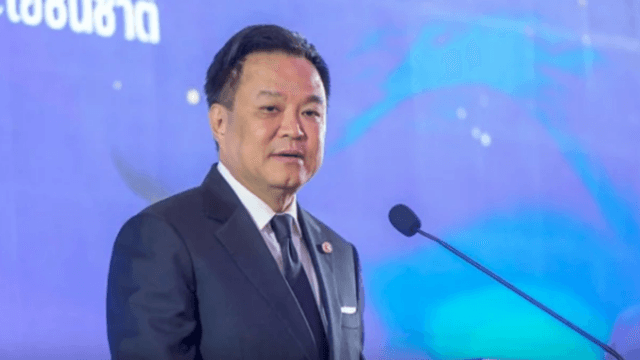
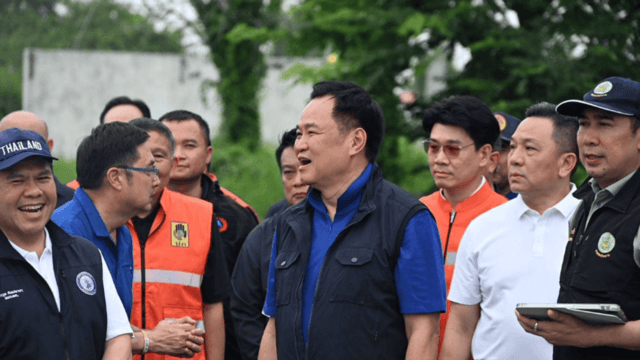
The discussion took place yesterday, during a bilateral meeting between Thai Prime Minister Anutin Charnvirakul and South Korean President Lee Jae Myung, on the sidelines of the Asia-Pacific Economic Cooperation (APEC) meeting.
Anutin emphasised the need to expand legal employment opportunities for Thai migrant workers in South Korea and urged measures to prevent Thai travellers from being refused entry, an issue that causes financial losses and inconvenience for those affected.
As of May 2025, there were a total of 181,842 Thai workers in South Korea, including 49,146 documented and 132,696 undocumented, but the number of undocumented workers has been steadily declining.
According to an earlier report, the number of Thai visitors to South Korea between January and April 2025 fell by 21% year-on-year, mainly due to unexplained entry refusals. Thailand has since fallen behind Vietnam and the Philippines in terms of outbound travelers to South Korea.
In 2019, Thailand was the top Southeast Asian source of tourists to South Korea, with 572,000 visitors, ahead of Vietnam (554,000) and the Philippines (504,000).
Experts attributed the decline to negative sentiment arising from frequent entry refusals at South Korean airports. Despite completing online registration, many Thai tourists have been denied entry upon arrival in Seoul without clear explanation, fueling public dissatisfaction.
During the meeting, Anutin also proposed setting a bilateral trade target of US$30 billion, stressing the importance of the Thailand-Korea Free Trade Agreement (FTA) as a mechanism to achieve that goal.
Thailand pledged full support for Korean investors, including Hyundai, COSMAX, KakaoBank’s branchless banking project, and Korea Land & Housing Corporation’s first industrial estate in Thailand.
Anutin also highlighted the growing Thai enthusiasm for Korean culture, especially K-pop, and announced plans for Thai agencies to study South Korea’s content industry ecosystem, including policies that support startups and SMEs.