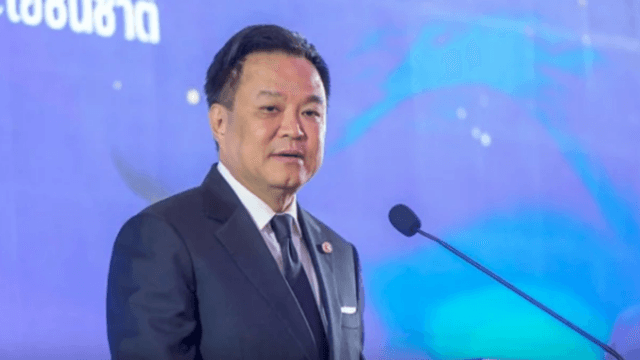



The Ministry of Commerce, led by Commerce Minister Suphajee Suthumpun, has pushed for negotiations on an Agreement on Reciprocal Trade (ART) during meetings with the U.S. Trade Representative (USTR), aiming to reduce exposure to potential U.S. tariffs.
The talks come ahead of Section 301 briefings on forced labour enforcement failures and industrial overcapacity, while Thailand has confirmed it has documentation and data to clarify its trade surplus with the United States.
During her official visit to the US, Suphajee held discussions with USTR Jamieson Greer and Deputy USTR Rick Switzer on May 4 to expedite negotiations on the ART.
“A technical team remains in the US to finalise details regarding two specific issues, including asset value capabilities and forced labour regulations,” Suphajee said.
Suphajee said her visit was intended to clarify Thailand’s position following the submission of formal responses on April 15. She emphasised that all points had been clearly addressed and that the process was moving forward without major obstacles.
Both sides also reaffirmed their commitment to ensuring that trade benefits are maximised for both countries.
Negotiations on the ART, which have been pending since the previous administration, are being fast-tracked for completion before the launch of any Section 301 investigations under U.S. law concerning unfair trade practices.
Suphajee also addressed the issue of Thailand’s trade surplus with the US. Data show that Thailand’s surplus in 2025 increased significantly from 2024.
She explained, however, that at least 30% of the additional surplus came from US companies investing in Thailand, while more than 20% came from Thai-owned enterprises.
Regarding concerns over origin circumvention — falsely claiming Thai origin for foreign goods — she said Thailand has comprehensive documentation and data ready to clarify all facts to US authorities.