Thailand’s leading climatologist, Dr Seri Suparatit, director of the Climate Change and Public Disasters Centre (CCPDC) at Rangsit University, has urged authorities to prepare measures to cope with extreme weather conditions early next year as a result of a potentially severe El Niño phenomenon.
In a Facebook post today, Dr. Seri said forecasts from the National Oceanic and Atmospheric Administration (NOAA), Japan Meteorological Agency (JMA) and the APEC Climate Center (APCC) indicate that the world has been under the influence of El Niño since May, with the possibility that the phenomenon could become 60% more intense.

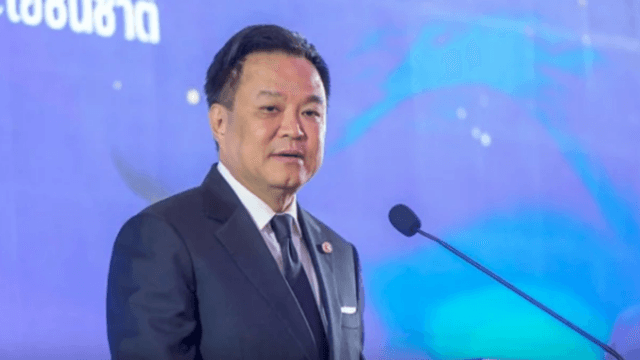
File photo: Dr Seri Suparatit
Citing information from the Japan Agency for Marine-Earth Science and Technology (JAMSTEC), which says that a “super” El Niño with an index of 2.2–2.5 can occur every 25 to 70 years, he said the CCPDC has forecast that temperatures next April could be 1.5–2.5°C higher than normal, potentially resulting in both severe flooding and drought.
Sea temperatures may not rise as quickly as temperatures on land and are likely to lag by three to six months, he said. Thailand is expected to experience extreme heat during March and April next year, with temperatures in Bangkok reaching 39–41°C, according to modelling by the centre.
The heat index, or perceived temperature, could climb to between 50 and 54°C, placing people in the capital at risk of heat stroke.
Dr. Seri also warned that some infrastructure could be affected. Electricity consumption may surge to levels that strain the power system, as air conditioners in homes and workplaces operate simultaneously. This could lead to localised blackouts and transformer malfunctions.
Accelerated evaporation is also expected to hasten the depletion of water resources needed for agriculture and ecosystem conservation. Workers in the construction and agricultural sectors may have to suspend outdoor work between noon and 4pm to avoid heat-related illnesses, he added.