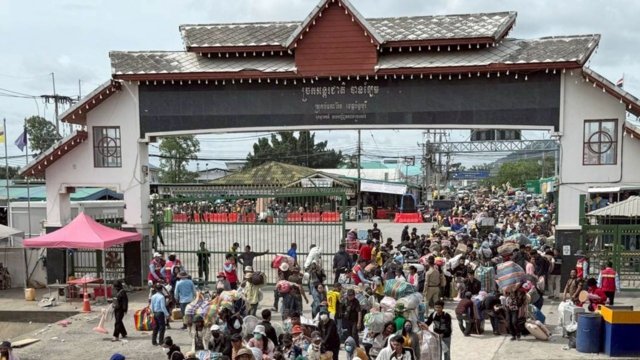
The Thai Public Health Ministry has reiterated that it will continue to provide medical services to all migrant workers in Thailand, including illegal migrants, for humanitarian reasons, even though it means an additional financial burden on the state.
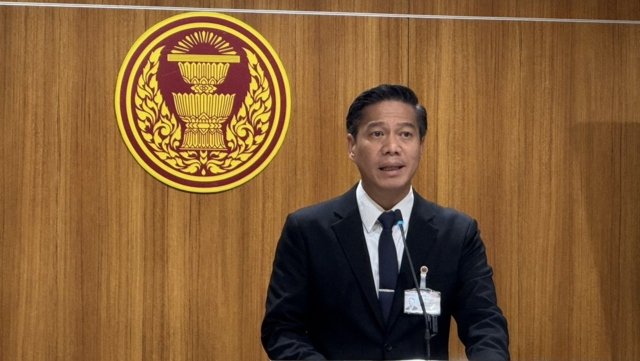
Deputy public health permanent secretary Montien Kanasawadse said that the Thai public health system was designed in compliance with fundamental human rights, to provide medical services to all who live in Thailand regardless their nationality or religion.
Health service entitlements for non-Thais are in three groups. The first group comprises stateless people who are in the process of confirming their Thai nationality. They are entitled to medical services under the Health Insurance Fund, which is supported by the taxpayer. Currently, there are more than 700,000 people registered with the fund.
The second group are legal migrant workers who are covered by the social security system, under which their employers are required to make financial contributions to the Social Security Fund. These people are entitled to medical expenses and compensation when they are sick, laid off or during maternal leave.
Migrant workers who are not covered by the social security system, or are working for their entitlements, are required to buy health insurance coverage from the Ministry of Public Health, which will cover their medical check-up, treatment and disease prevention fees.
For those who are not Thais and do not have social security coverage or health insurance coverage, they are required to pay for medical services in full. If they cannot afford to pay, state hospitals or health clinics should try to provide medical services on a humanitarian basis using their own funds or donations from international organisations.
Montien insisted that providing medical services to migrant workers under the Thai health service system is a combination of legal necessity and humanitarian responsibility, which must be properly managed in line with social and economic conditions.