


Ambulances under the National Institute for Emergency Medicine (NIEM) have been hit by a nationwide fuel shortage. The most severe impact is in Kalasin province, where a dispatch centre has been forced to suspend operations.
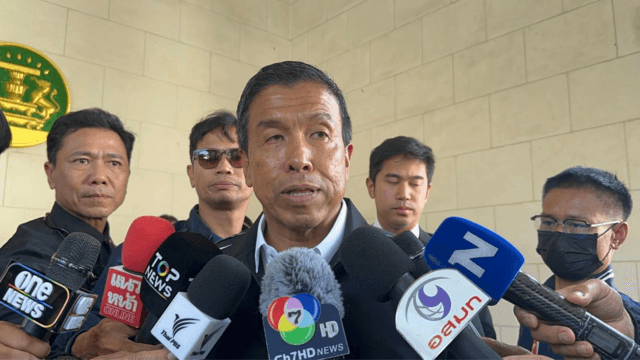
NIEM’s secretary general, Pichet Nongchang, said yesterday that in two other provinces, Songkhla and Nong Bua Lamphu, services have been curtailed, as petrol stations in the area close.
He said the shortage has been driven by public panic over limited fuel supplies and rising prices linked to conflict in the Middle East.
The situation has disrupted normal fuel transportation channels, causing demand to surge while petrol stations struggle to keep up. Although the government insists that overall fuel supplies remain sufficient, delays in distribution have left many stations temporarily unable to meet demand over the past two to three days.
The emergency response system operates 14,213 ambulances under 80 dispatch centres nationwide via the 1669 hotline.
“In some areas, ambulances have been unable to refuel due to station closures or lack of supply, forcing temporary suspension of services,” he said.
NIEM is urgently coordinating with the Ministry of Energy and fuel providers nationwide, requesting that service stations prioritise the refuelling of medical emergency vehicles without restrictions.
NIEM has been monitoring the situation daily since March 15, categorising the impacts into five levels:
· Level 0 (no impact): 31 provinces
· Level 1 (minor impact): 22 provinces
· Level 2 (moderate impact): 14 provinces
· Level 3 (severe impact): Songkhla and Nong Bua Lamphu, where operations are delayed due to the need to travel to other areas for fuel
· Level 4 (critical): Kalasin, where some units are unable to operate and must rely on adjacent areas to transport patients
In Kalasin, fuel restrictions have halted operations in some local administrative areas, forcing neighbouring teams to step in.
Nationwide, ambulances consume an estimated minimum of 71,065 litres of fuel per day, based on an average usage of 5 litres per vehicle per day for one patient transport over 30 kilometres. Actual demand may be higher in practice.
To mitigate the crisis, NIEM is working with provincial governors and energy officials across all 77 provinces to secure emergency fuel supplies.