Bangkok Governor Chadchart Sittipunt has acknowledged key regulatory gaps relating to standalone data centres in the capital, proposing revisions to city planning rules, building control regulations and Environmental Impact Assessments.
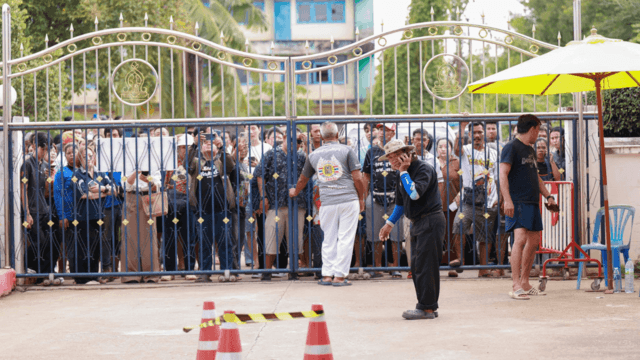
Speaking at Government House, ahead of the Data Centre Policy Board meeting today, Chadchart addressed an ongoing probe into a data centre located in Rama 9 Soi 6.
The inspection followed complaints about oil fumes and noise pollution linked to generator testing.
He noted that the Pollution Control Department is currently determining the source of the oil odour.
According to the governor, the Bangkok Metropolitan Administration (BMA) oversees the building construction completion certificate (A6). The Rama 9 facility has not yet received its A6 certificate, which requires approvals from various agencies before standard operations can commence.
Across Bangkok, six major standalone data centres have been constructed, but only three have secured official building permits from district offices. All of them applied under the category of warehousing rather than data centres.
While over 40 smaller data facilities exist in Bangkok, most operate within existing office buildings to serve internal organisational needs.
Chadchart stated that the three data centres currently licensed by the Bangkok Metropolitan Administration (BMA) must still obtain authorisation to store bulk fuel.
Regarding the complaints received, they likely stem from noise pollution generated during generator testing. One facility ran tests at night, prompting public disquiet. Daytime testing would not create as significant a noise disturbance.
Operations at these three data centres have not been suspended, as relevant agencies must first complete further evaluations.
When asked how these three data centres received approval from district offices, Chadchart explained that they applied for permits as warehouses because "data centre" was not previously defined in the law, changes to which have lagged behind development.
He also stated that data centres are typically housed within office buildings and undergo standard Environmental Impact Assessments (EIAs).
“Recently, however, standalone data centres have been established under warehouse classifications. Therefore, this is an opportune time to update the definitions. Because standalone data centres represent a new industry, every country must update its laws to keep pace,” he said.
To address these emerging challenges, the governor emphasised that city planning, building safety codes and energy regulations must be updated.
He suggested that the Ministry of Natural Resources and Environment could add standalone data centres to the list of projects requiring mandatory EIA reports, ensuring robust environmental and safety oversight moving forward.