

The Thai Garment Manufacturers’ Association (TGMA) has partnered with the Department of Labour Protection and Welfare (DLPW) to implement enhanced Good Labour Practices (GLP+), aiming to purge the industry of forced labour and secure removal from US trade watch lists.
Speaking on Friday, TGMA President Chalumpon Lotharukpong underscored the sector's vital economic role, noting that the garment industry employs approximately 400,000 workers, part of a broader supply chain involving over one million people. The industry generates more than US$2.2 billion in annual export revenue, growing by 5% last year.
Chalumpon stated that elevating production standards is now a strategic necessity as key markets, especially the European Union and the United States, tighten environmental and social regulations.
"This is an opportunity for Thai factories, which already possess a strong foundation, to move towards high-value manufacturing," he said.
The collaboration focuses on the GLP framework, which is built on the four pillars of no child labour, no forced labour, no discrimination and no human trafficking.
By adopting GLP+, the association intends to demonstrate a firm commitment to ethical practices, from upstream to downstream production.
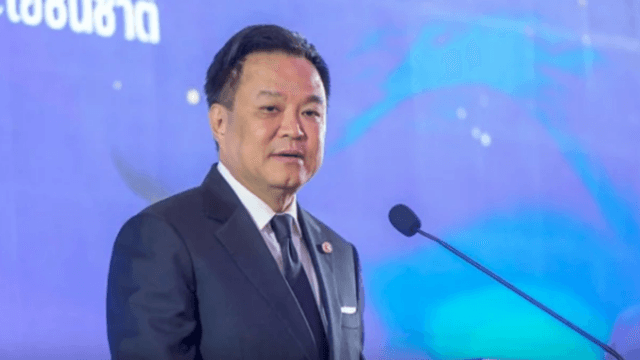
Captain Saroj Komkai, director general of the DLPW said they are proactively protecting the rights of both formal and informal workers. He described labour as the "backbone of the Thai economy" and emphasised that ethical management must be fully verifiable.
The ultimate goal of this initiative is to see Thai garment products removed from two critical US Department of Labor lists, namely the TVPRA List (goods produced by child or forced labour) and the EO List (goods produced by forced or indentured child labour).
The DLPW also plans to expand the GLP+ model to other industrial sectors, to bolster the country's international image and ensure sustainable economic development.