


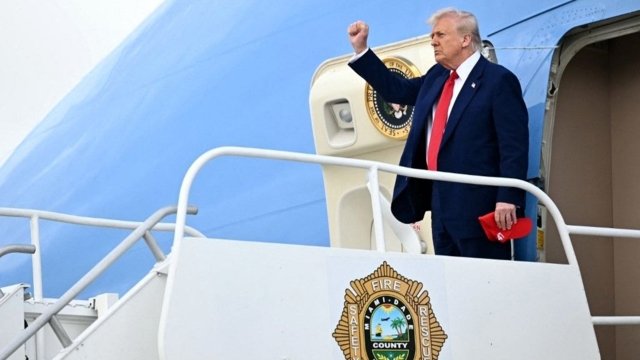
Thai government calls for dialogue in official response to US tariff hike
The Thai government has issued an official statement in response to US President Donald Trump’s imposition of 36% reciprocal tariffs on Thai exports to the US market.
Track Thailand's economy in English — business, trade, finance and market news, covered by Thai PBS World, Thailand's public broadcasting service.
The Thai government has issued an official statement in response to US President Donald Trump’s imposition of 36% reciprocal tariffs on Thai exports to the US market.
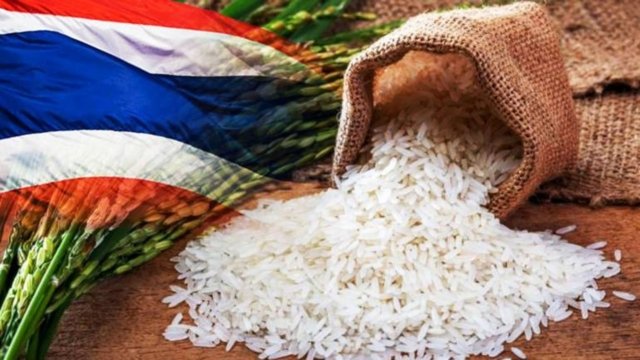
The Thai Rice Exporters Association has expressed concern that Thailand may lose its Hom Mali fragrant rice market in the US to Vietnam, because the new 36% reciprocal tariff imposed by the US will drive the price of Thai rice to about US$1,400 per tonne, from the current price of US$900-US$1,000/tonne, said association president Chukiat Opaswongse.
Thailand’s GDP growth this year is forecast to fall by 0.2-0.6%, to lower than the current 2.4 and 2.9% estimate, as a consequence of the reciprocal tariffs to be imposed by the Trump administration, said Kriangkrai Thiennukul, chairman of the Joint Standing Committee on Commerce, Industry and Banking.
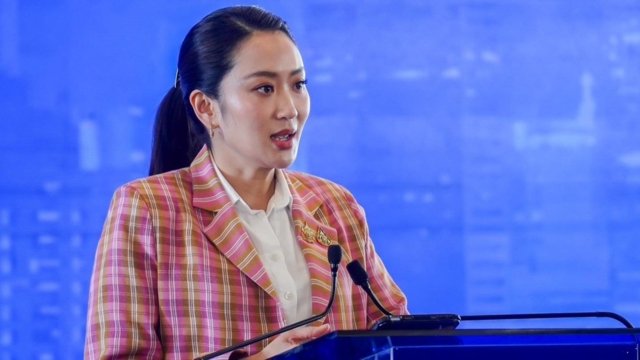
Prime Minister Paetongtarn Shinawatra said today that the government has prepared measures, including negotiations and import tax restructuring, to deal with the Trump administration’s imposition of 36% reciprocal tariffs on Thai exports to the US market.

Last Friday’s earthquake in Myanmar, which sent strong tremors across Thailand, has caused economic damage estimated at about 20 billion baht and may cause Thailand’s GDP forecast for this year to drop by 0.06%, to under 2.4%, according to the Kasikorn Research Centre.
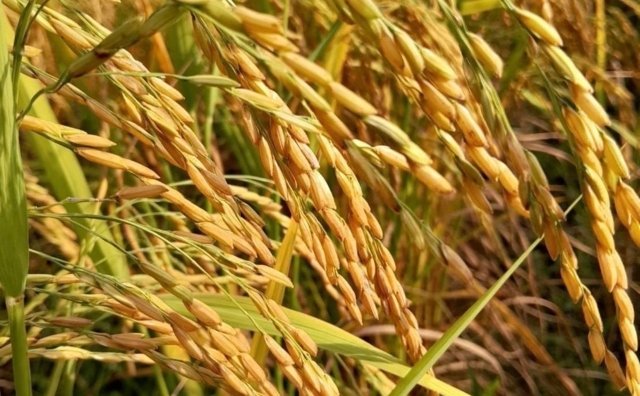
There are now long-term opportunities for Thai exporters to ship massive amount of locally-harvested organic rice to overseas markets, especially Europe, due to increasing demands for healthy food products globally.
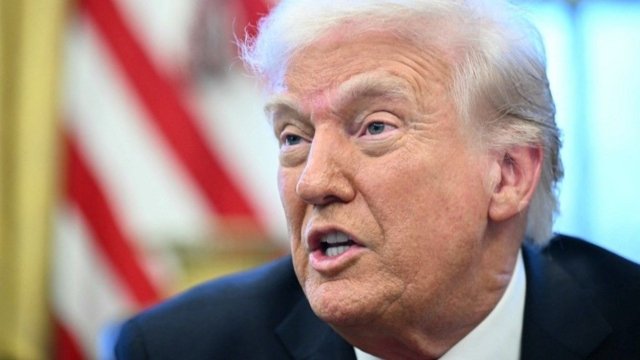
US President Donald Trump announced steep tariffs on auto imports and parts Wednesday, in a move set to fuel tensions with trading partners ahead of further promised levies next week.
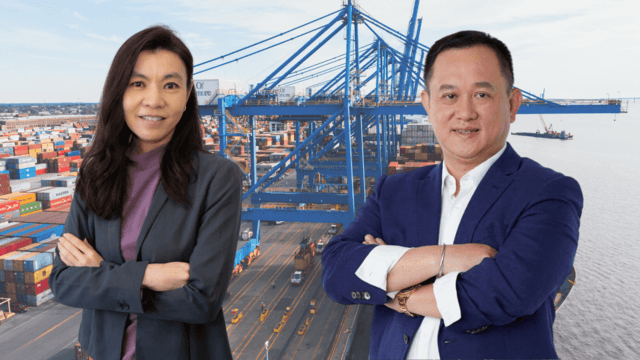
Thai government should increase imports of agricultural products and consider purchasing aircraft from the United States, to help forestall the imposition of increased tariffs by the Trump administration.
There have been positive signs of a strong recovery in the Thai economy since 2024, mainly driven by exports, tourism, and investment projects, despite lingering household and informal debt issues.
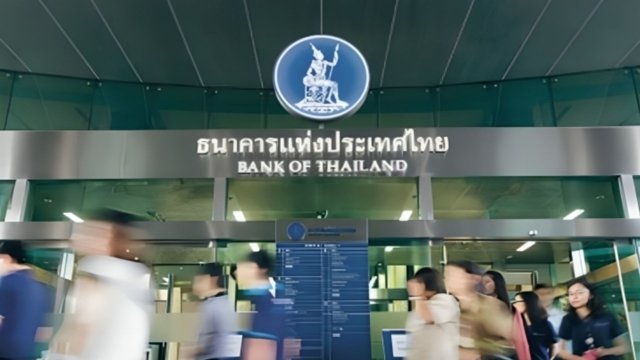
Thailand’s central bank said on Thursday it has relaxed loan-to-value rules starting in May until June next year to support the ailing property sector, a measure it said would not pose significant risks to financial stability.
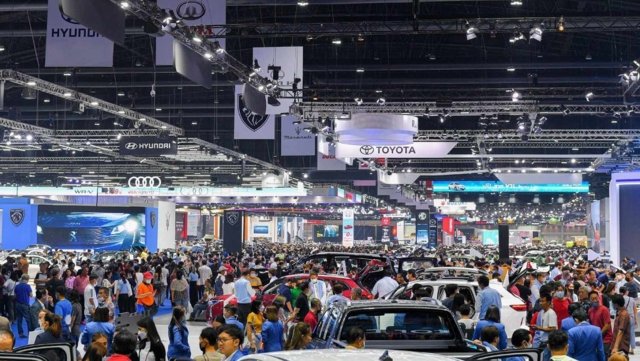
The government is offering a guarantee for loans for pickup trucks, a key segment of its car manufacturing industry, as it seeks to boost a flagging autos sector that saw production slump to a four-year low last year.
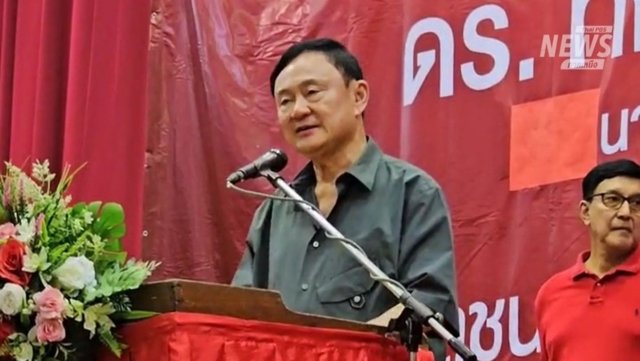
Former prime minister Thaksin Shinawatra has floated an ambitious idea to help the Thai people to clear household debt. Though he was light on detail, he suggested that non-performing debt could be re-financed through its purchase from commercial banks, presumably by the private sector, but not at its full book value. It would then, he suggested, be managed by private asset management companies.