


Small-scale artificial intelligence applications could serve as a vital engine for boosting productivity and narrowing the digital divide across developing nations, global financial leaders and regional policymakers said on Monday during the IMF-World Bank Group Annual Meetings 2026.
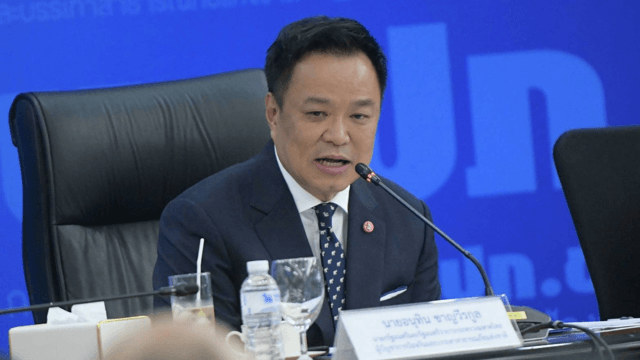
Speaking during a panel discussion titled "Small AI: More and Better Jobs," Thailand's Finance Minister Ekniti Nitithanprapas outlined the nation's strategy to harness targeted AI tools to augment existing roles, unlock new economic opportunities and ensure inclusive growth.
"AI can improve existing jobs, build new possibilities and create new opportunities to ensure that Thai citizens all enjoy equal benefits," Ekniti claimed.
Highlighting practical applications, Ekniti cited ‘Nok Krasip’ (Whispering Bird), an AI-powered support scheme designed to assist micro, small and medium-sized enterprises (MSMEs). The tool helps small vendors gain easier access to financing, manage inventory efficiently and improve overall profitability.
The minister emphasised, however, that physical hardware and connectivity alone are insufficient. "Developing digital public infrastructure is not enough, what is crucial is teaching citizens how to embrace these new technologies effectively," he noted.
To lower barriers to adoption, Thailand has invested in computing capacity and cloud infrastructure to reduce operational costs, while simultaneously implementing safeguards to protect citizens against emerging digital risks, including scams and cyber threats.
Joining the discussion, World Bank President Ajay Banga identified high-potential sectors where AI integration could drive significant job creation, specifically infrastructure, agriculture, primary healthcare, tourism and value-added manufacturing.
IMF Managing Director Kristalina Georgieva described the rapid advance of the technology as an "AI tsunami," noting that approximately 40% of the global labour market has already been impacted, with 10% of current jobs in the United States explicitly requiring AI skills.
"AI can take over repetitive tasks, freeing up human workers to spend more time on creative endeavors and pursuits they love," Georgieva said.
Offering a regional perspective, Singapore President Tharman Shanmugaratnam urged governments to take a proactive, collaborative approach with the private sector, particularly in adapting educational and training pipelines.
"AI is gradually coming and we have time to study it," Tharman said. "Governments must, however, actively engage with the private sector, especially in shaping the educational pipeline. We need humanity, and lifelong learning skills are essential," he opined.