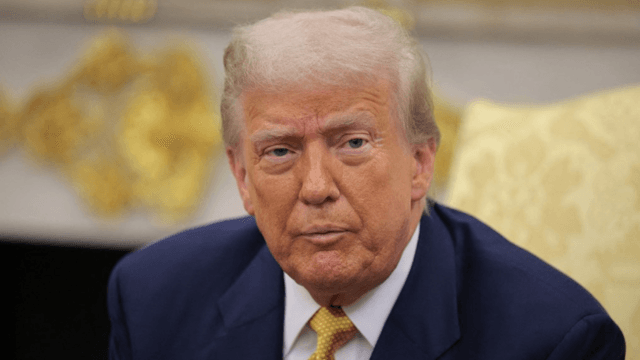



ASEAN member countries should work collectively to increase bargaining power when negotiating trade deals with the incoming Trump administration, following the threat to increase import taxes on goods from countries which enjoy substantial trade surpluses with the United States.
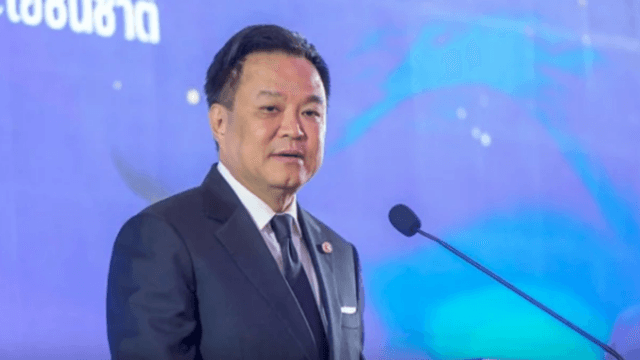
Danucha Pichayanan, secretary general of Thailand’s National Economic and Social Development Council, noted that it is likely that the Trump administration will increase import tariffs before negotiating.
Chinese firms are already planning to relocate their production bases to Thailand, but register in Singapore, to avoid steep tariffs of as much as 100 percent on Chinese products. As such, Danucha said that there is a possibility that that the US will impose high import taxes, even though the goods are produced in Thailand.
As a precautionary measure, he said the Thai Board of Investment must step in to ensure that these companies registered in Singapore are majority owned by Thai nationals, with additional investment incentives granted to these companies if they engage in high tech businesses.
Meanwhile, Kriangkrai Thiennukul, president of the Federation of Thai Industries, suggested that the government expedites the setting up of a ‘war room’ and the hiring of effective US lobbyists to cope with the new trade policies. He also suggested that the government increases efforts to find new markets for Thai products.
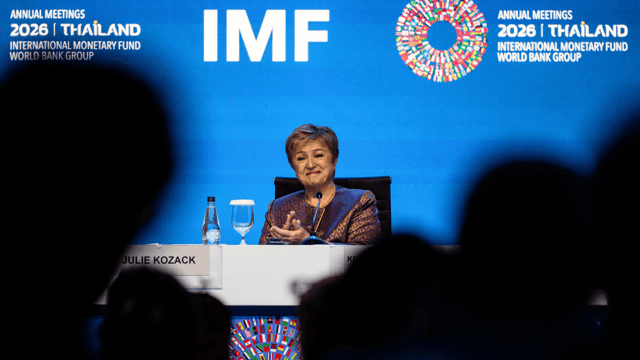
Kriangkrai said the International Monetary Fund has predicted that the Trump administration will impose at least 10% to 20% import taxes on imports to the US and between 60% and 100% on specifically Chinese products, adding that Canada and Mexico are already facing 25% taxes on products imported into the US market.
The IMF predicts that global economic growth this year will drop to 2.4%, from the previous projection of 2.7%, and will shrink further next year due to the Trump Administration’s “America First” policy.
As far as Thailand is concerned, he said more Chinese products are expected to be dumped into Thailand and other countries once they find it harder to enter the US market.
He anticipates that as many as 30 industrial groups in Thailand will be affected by increased Chinese imports this year and the impacts will be more serious next year.