


2025 witnessed renewed border tensions between Thailand and Cambodia that sparked deadly armed clashes in July and December, opening fresh wounds in a centuries-old dispute. Relations have deteriorated so badly that a return to normality appears unlikely anytime soon.
This year’s two rounds of border fighting were described as the deadliest since the 15th century, when the Ayutthaya kingdom ousted the Khmer Empire as the region’s dominant power.
By the early 19th century, Cambodia was a vassal state of its two stronger neighbours – Thailand (then known as Siam) to the west and Vietnam to the east. During that period, Bangkok even installed Cambodian kings who had sought asylum in Siam from rival claimants to the throne at home.
In the late 19th century, France wrested control of Cambodia from Siam through superior military power. Cambodia became a French protectorate in 1863, before being incorporated into French Indochina two decades later.
Dispute over ancient ruins
After gaining independence in 1953, Cambodia took Thailand to the International Court of Justice (ICJ) in a dispute over ownership of the ancient Phra Viharn (Preah Vihear) Temple located on the border between the two countries.
Thailand maintained the temple lay within its territory, arguing that the border drawn by French surveyors produced maps that deviated from the one described in the Franco-Siamese treaties of 1904 and 1907, which defined the boundary as the watershed of the Phanom Dongrak mountains.
In 1962, the court found in favour of Cambodia, ruling that Siam had never challenged the colonial French maps or claimed ownership of the temple while it was under French control.
Then came decades of Cambodian instability between the 1970s and 1990s that saw a civil war, genocide under Khmer Rouge rule, and Vietnamese occupation. Factional fighting continued even after the 1991 Paris peace agreements led to a multi-party system through UN-sponsored elections in 1993.
The internal conflicts forced several thousand Cambodians to seek refuge in Thailand’s border areas.
Three years of conflict
The dispute between the two countries re-erupted in 2008, after Phnom Penh nominated the ancient temple as a UNESCO World Heritage site. Cambodia again took Thailand to the ICJ, asking whether the 1962 ruling covered land adjacent to the temple that was claimed by Thailand.
In 2013, the court again ruled in Cambodia’s favour.
The two sides exchanged fire intermittently from June 2008 to December 2011, with Thailand reporting 18 military and civilian fatalities while Cambodia reported 22. However, the skirmishes were limited to the border between Cambodia’s Preah Vihear province and Thailand’s Sisaket province.
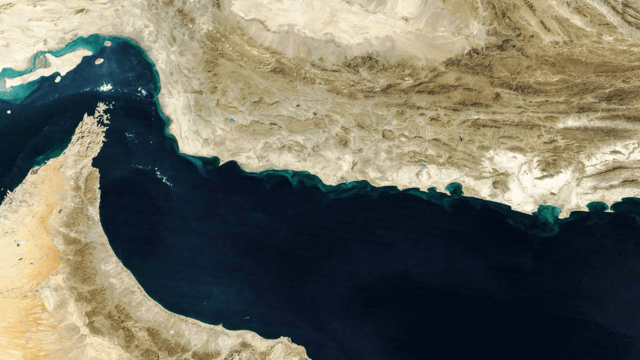
In contrast, the clashes in 2025 expanded to all seven provinces along the Thai-Cambodian border, spanning from Ubon Ratchathani in the Northeast to Trat on the Gulf of Thailand. The fighting forced hundreds of thousands of civilians to evacuate their homes and caused numerous casualties on both sides of the border.
The latest round of hostilities began in February, when Cambodian tourists escorted by their own troops began singing the Cambodian national anthem at the Prasat Ta Muen Thom temple in Surin province, triggering an argument with Thai soldiers.
In May, rising border tensions spilled over into exchanges of gunfire. Peace talks in early June failed to reach a resolution.
In mid-June, Cambodian strongman Hun Sen, father of Prime Minister Hun Manet, dropped a bombshell by releasing a recording of his phone conversation with Thailand’s then-prime minister, Paetongtarn Shinawatra. In the leaked call, Paetongtarn – the daughter of ex-PM Thaksin, a former Hun Sen ally – appeared to appease the strongman while criticising the Thai Army commander overseeing the Cambodian border.
The ensuing scandal led to Paetongtarn’s dismissal in late August after the Constitutional Court found her guilty of breaching ethical standards for ministers.
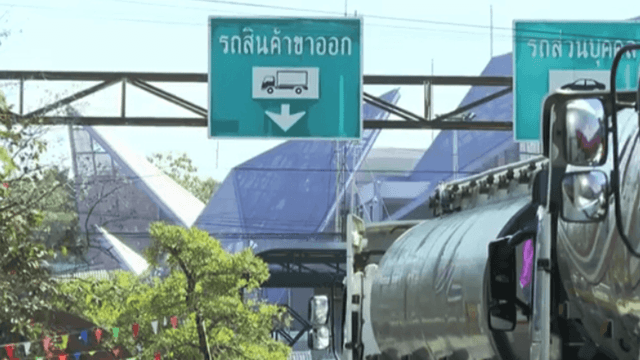
Earlier, rising tensions between the two neighbours led to border crossing closures in late June. In July, the Thai Army accused Cambodia of planting landmines on Thai soil, severely injuring soldiers on patrol.
Failed ceasefire deals
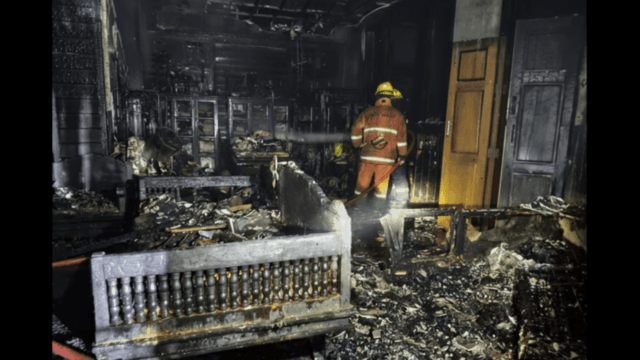
Fresh clashes erupted on July 24, with both sides accusing each other of firing first. However, Cambodia launched indiscriminate attacks across four border provinces, killing at least 14 civilians, including four children. A Cambodian rocket fell on a convenience store in Sisaket, killing a mother and her two children.
A ceasefire was called abruptly at midnight on July 28 following a Malaysia-brokered agreement in Kuala Lumpur between Thailand’s acting prime minister Phumtham Wechayachai and Cambodia’s Hun Manet.
However, border tensions continued as Thailand accused Cambodia of violating the ceasefire terms regarding demining, removal of heavy weapons, and acting against internet scammers targeting victims outside Cambodia.
Anutin Charnvirakul became Thailand’s new prime minister in October and quickly signed a new ceasefire agreement with Hun Manet during the ASEAN Summit in Kuala Lumpur on October 26, overseen by US President Donald Trump and Malaysian PM Anwar Ibrahim.
However, Anutin suspended the deal on November 10 after two Thai soldiers were injured in a landmine explosion while patrolling in Sisaket. Thailand’s allegation that the mines were newly planted was rejected by Cambodia, which claimed they dated back to past conflicts.
The animosity hit new heights when Thai and Cambodian netizens began flooding each other’s social media with hate messages and propaganda. Meanwhile, top diplomats on both sides traded accusations during international forums.
In November, Bangkok declined to renew work permits for Cambodian migrants, citing security concerns. The move came after Thailand had agreed to allow thousands of Myanmar refugees who had been living along the Thai border for decades to work outside their camps, replacing Cambodian workers who had returned home after the July clashes.
In early December, Cambodia attended the opening ceremony of the Thailand-hosted SEA Games, before promptly withdrawing its athletes from Southeast Asia’s largest sporting event.
In Thailand, a strong surge of nationalism has swept the online world, as politically divided netizens set aside their quarrels to unite in support of the Thai military.
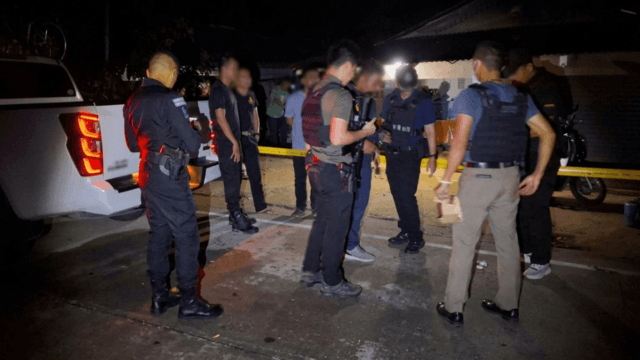
Border clashes erupted again on December 7, when troops exchanged fire with rifles, grenade launchers, and mortar. The fighting then escalated to encompass heavy weapons, including multiple-rocket launchers, tanks, kamikaze drones, and jet fighters.
The Thai military said its strikes mainly targeted military positions deemed immediate threats to Thailand’s security while accusing Cambodia of indiscriminate shelling and rocket attacks on civilian areas.