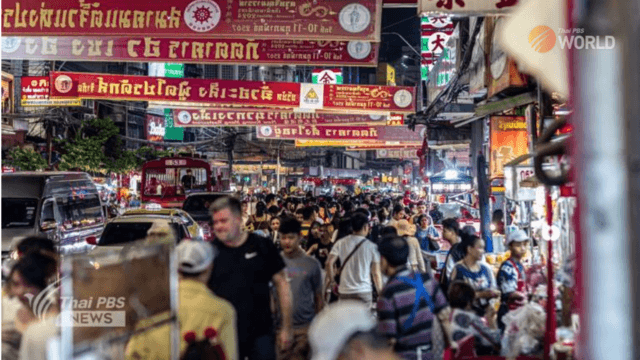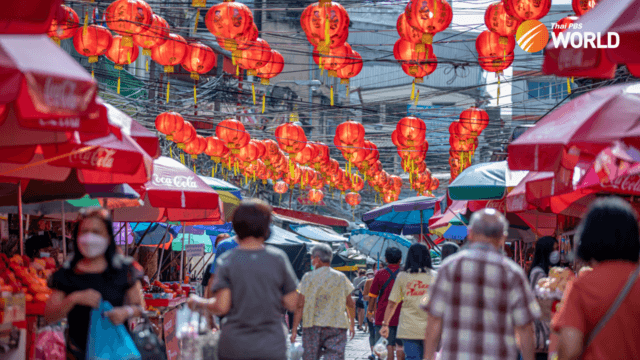



There is a particular soundtrack to Talat Noi in the morning. Metal clangs against metal inside old workshops. Motorbikes squeeze through narrow lanes. A wok hisses, an espresso machine starts up and, between old shophouses, the Chao Phraya appears in flashes, carrying boats past a neighbourhood that has watched the river for centuries.
The rest of the world seems to have noticed. In September, Time Out named Talat Noi No. 14 on its list of the 40 Coolest Neighbourhoods in the World for 2026 — Bangkok’s highest-ever position in the annual ranking. The accolade recognises that this old riverside quarter has become one of the capital’s most rewarding places to eat, drink and wander without sacrificing the community.

Wedged between Chinatown and the Chao Phraya, Talat Noi is best explored on foot. Chinese shrines hide behind red doors; old engine parts spill from workshops; street art brightens crumbling walls. Cafés, bars and creative spaces have moved into old shophouses and warehouses, giving plenty of reasons to return even if you think you already know Talat Noi.
Built on trade
Talat Noi grew alongside the river as Bangkok developed into a trading city. Chinese migrants settled here, establishing businesses connected with shipping, commerce and metalworking. Later, the neighbourhood became synonymous with siang kong, the trade in used engines and vehicle parts.
Its Chinese heritage was never monolithic. Chow Sue Kong Shrine was established by the Hokkien community, whose merchants played an important role in riverside commerce. Nearby Rong Kueak Shrine belongs to another story: that of the Hakka community, whose members became particularly associated locally with leatherwork and shoemaking — kueak means shoes in Thai.

A short walk away, the Gothic Revival Holy Rosary Church adds another layer to this neighbourhood, while So Heng Tai Mansion, the historic home of a Hokkien Chinese family, provides a glimpse of the prosperity generated by Bangkok’s early river trade.
But it is between these landmarks that Talat Noi is the most interesting.
Follow Trok San Chao Rong Kueak and you’ll spot mechanics still working among engines, steel and spare parts. Murals appear unexpectedly on walls and an old Fiat parked beside a weathered building has become an unlikely neighbourhood celebrity.
But this is not an open-air museum. People still live above the shophouses, mechanics still repair machinery and worshippers still stop at the shrines.
Come hungry

Food provides another reason to slow down.
Around the corner from Rong Kueak Shrine, Duck & Noodles House has been feeding the neighbourhood for decades. Its specialty is straightforward: tender braised duck with noodles in a dark, aromatic broth.

There is nothing particularly fashionable about it, and that is precisely its appeal. While new cafés and galleries bring new visitors to Talat Noi, old neighbourhood kitchens remind visitors that people were eating, trading and getting on with daily life here long before the street-art hunters and content creators arrived.
For coffee with a sense of history, continue towards the river to Hong Sieng Kong. The atmospheric compound has brought a collection of old commercial buildings back into use after decades of neglect. Weathered brickwork, timber, Chinese antiques and tree roots curling around ageing masonry create a setting that feels inseparable from Talat Noi itself.
Take a table by the Chao Phraya and watch the boats go by. Once, buildings along this river were shaped by commerce and cargo; today people come for coffee, food and the view. The function has changed, but the connection to the river remains.
Elsewhere, places such as Mother Roaster and 965bkk demonstrate the same talent for adaptive reuse, turning old buildings into contemporary gathering places without completely polishing away their previous lives.
Old spaces, new ideas
The Warehouse Bangkok takes that reinvention further.
An old commercial building on Charoen Krung Road has become a multi-level playground of coffee, vintage fashion, food, art and music. Browse clothes and collectibles during the day and watch as the same industrial space gradually changes character when restaurants, bars and DJs take over in the evening.
It might appear to represent a new Talat Noi, but there is continuity here too. Buildings in this neighbourhood have always survived by being useful. Warehouses, workshops and shophouses changed with the economy; The Warehouse is simply the latest incarnation.

The cargo has changed. The building is working again.
That ability to accommodate new ideas without entirely clearing away the old is what makes Talat Noi feel different from a purpose-built creative district. A mechanic, coffee roaster, shrine keeper, bartender and antique dealer can all belong to the same alleys.
Stay after dark
A few years ago, Talat Noi was somewhere many visitors explored during daylight before moving elsewhere for the evening. Now you don’t need to rush away.
Very Nice Bar is part of that change. Occupying a diminutive shophouse on Charoen Krung Road, the intimate bar was created by friends from Bangkok’s art, design and music circles.
Inside, warm lighting, a wooden counter, changing artwork and carefully selected music create something closer to drinking at a friend’s place. Highballs, whisky, beer and umeshu accompany Japanese-influenced comfort food.

Its scale suits Talat Noi. Rather than trying to remake the neighbourhood around itself, Very Nice Bar has slipped quietly into it.
And that may explain why Time Out’s recognition feels timely. Talat Noi has not suddenly become interesting because someone put it on a global list. What has changed is the number of ways visitors can experience a neighbourhood that was interesting all along.
Come early and watch the workshops wake up. Follow incense into a Chinese shrine. Have duck noodles for lunch, coffee beside the Chao Phraya and browse vintage finds inside an old warehouse. When darkness settles over Charoen Krung, stay for dinner and a drink.
Then come back. Talat Noi’s appeal lies less in ticking off sights. Further visits allow you to see and experience the old Bangkok that continues to change — one alley, one bowl of noodles and one reinvented warehouse at a time.