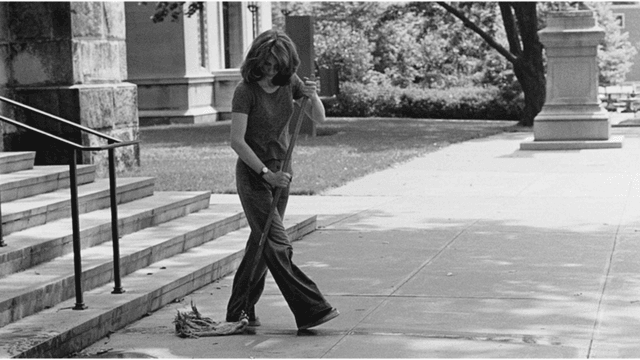
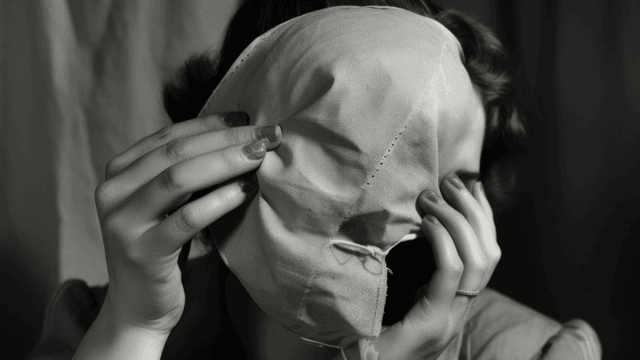
One of the stranger side effects of modern image culture is that we're starting to doubt the extraordinary. When we see an incredible landscape, a stunning face, or a photo of an animal doing something unlikely, our first thought isn't just how remarkable it is, but whether it's even real. More often than not, we're asking: Is this AI? There's a little sadness in this shift.
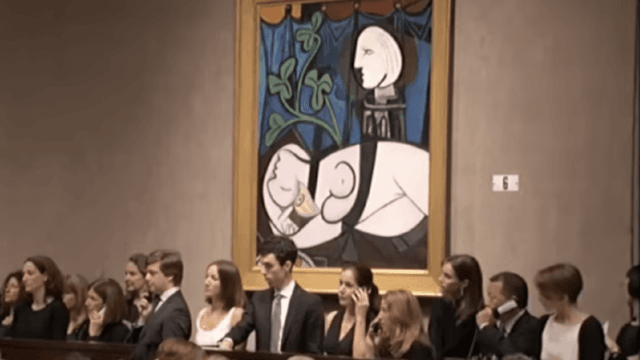
A common dilemma in the arts is realising that an admired artist was, by many standards, a terrible person. This isn’t unusual; it’s often a harsh reality: they may have abused power, exploited others, or been violent, manipulative, cruel, predatory, or indifferent to harm.
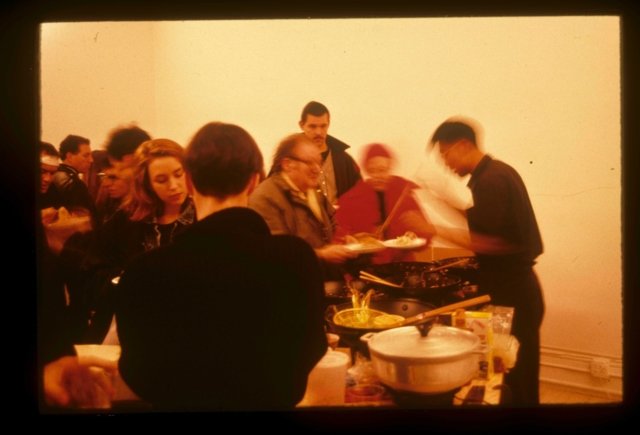
One of the most common reactions to contemporary art is also the one people are least willing to admit publicly: confusion. Perhaps outrage, maybe revelation, but the shy uncertainty about what exactly they are looking at, and, admittingly, the fear that they are somehow failing the experience by not immediately understanding, is slowly taking over.
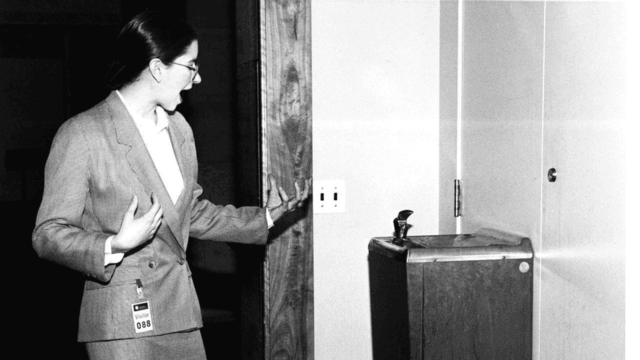
Most people assume an exhibition begins with the first artwork. It does not. By the time you arrive at the first painting, sculpture, video work, or installation, your experience has already been shaped from several footsteps ago.
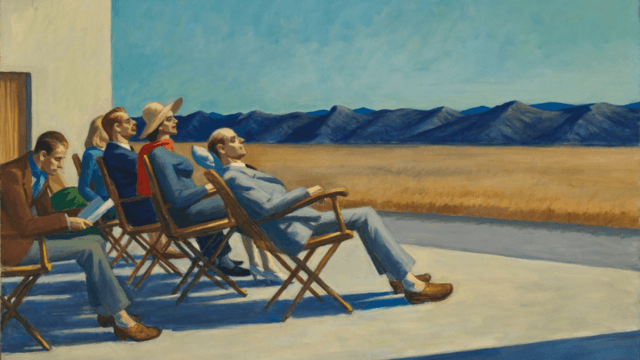
I have often found exhibition openings to be somewhat lonely and disconnected places.
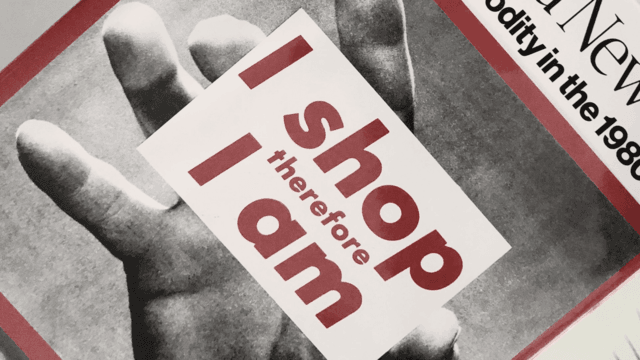
I have often suspected that museum gift shops understand contemporary audiences far better than the exhibitions themselves.
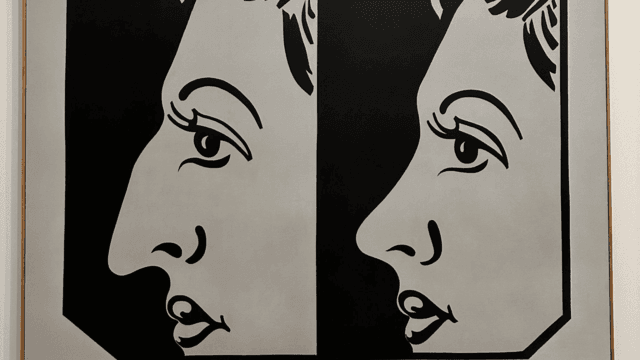
I have been thinking recently about how much contemporary culture enjoys the idea of “discomfort” while remaining slightly unwilling to experience it actively.
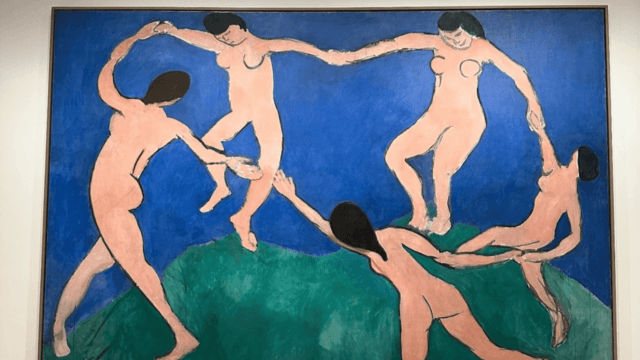
Nowadays, few people enter museums empty-handed. More often than not, we arrive with our phones already in hand or at least within immediate reach. There is an instinct at play.