Thailand rejected Cambodian allegations at the United Nations Human Rights Council (UNHRC) on Tuesday, accusing its neighbour of manipulating international forums to spread disinformation, portray itself as a victim and divert attention from its own human rights abuses after border clashes erupted between the two nations.
Speaking during the 63rd session of the UNHRC in Geneva on September 8, Thailand’s Ambassador and Permanent Representative to the UN in Geneva, Usana Berananda, exercised her right of reply to counter what she described as Cambodia’s distorted statement and clarify the facts.
Usana rejected Cambodia’s allegations, stressing that Thailand does not seek conflict or claim the territory of any country. She said, however, that Thailand could not allow Cambodia to use international fora to spread disinformation and divert attention from human rights violations it had committed.
She said the conflict was not initiated by Thailand but stemmed from unprovoked and indiscriminate Cambodian attacks on Thai civilians and infrastructure, which resulted in the deaths of 27 civilians, including women and children, and left many others injured. More than 400,000 Thai civilians were displaced and over 200 hospitals were affected, she added.
Amid these circumstances, Thailand exercised utmost restraint before being compelled to exercise its right to self-defence to protect its sovereignty, territorial integrity and the safety of its people, Usana said. She stressed that Thailand’s measures were strictly limited in scope and proportionate to the threat faced.
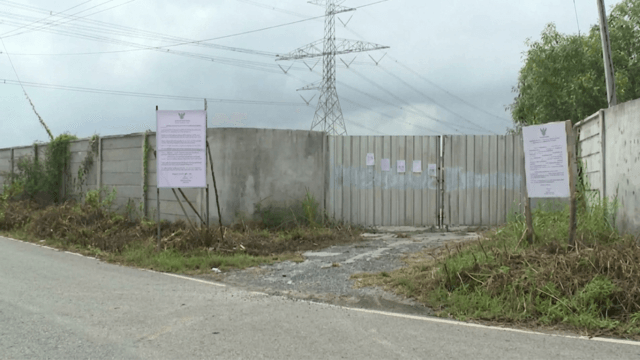
Addressing Cambodia’s allegation that Thailand violated international law by constructing border barriers, Usana defended the construction of barbed-wire fences and other stabilisation measures along the border.
She said the measures were solely preventive, aimed at maintaining stability, reducing the risk of confrontation and ensuring the safety of officials and civilians. They were not intended to restrict human rights and should not be characterised as territorial expansion or illegal occupation, she added.
Usana also accused Cambodia of provocative behaviour that runs counter to the spirit of the bilateral ceasefire agreement and undermines trust between the two countries.
She stressed that overcoming the conflict requires both sides to fully implement the ceasefire agreement in good faith, rather than selectively complying with it when it serves their own interests.
Reaffirming Thailand’s commitment to the peaceful resolution of disputes in accordance with the UN Charter, international law and the spirit of the bilateral ceasefire agreement, Usana called on Cambodia to demonstrate the same sincerity in honouring the agreement.